The editorial model plays a crucial role in the fashion and media industries, where storytelling through images is key. Unlike commercial modelling, which focuses on selling a product, editorial modelling is about conveying a mood, concept or narrative. It is often found in high-end fashion magazines, art publications and digital features. These models are not just faces but characters, helping to bring a creative vision to life through their expressions, movements and presence.
Editorial modelling requires a unique blend of performance and adaptability. It is not just about looking a certain way but about embodying the theme of a shoot. For example, a model might be asked to portray a sense of mystery, rebellion or nostalgia. This means they must be able to interpret creative direction and express emotion in subtle yet impactful ways. It is this ability to transform and adapt that sets editorial models apart from other types of modelling.
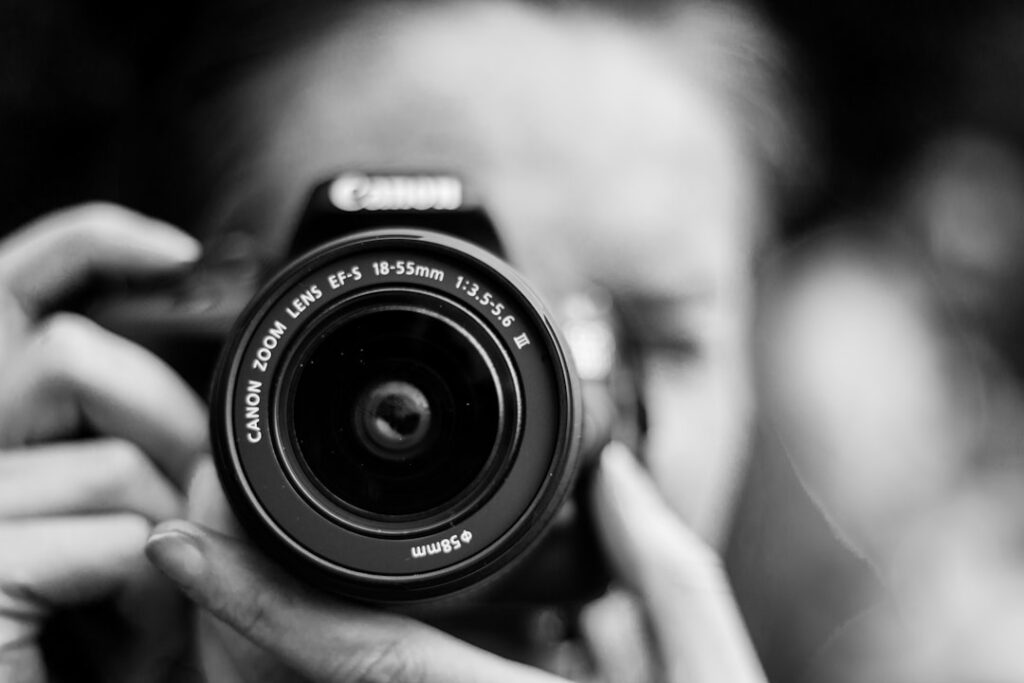
One of the key elements of editorial modelling is collaboration. Shoots often involve photographers, stylists, makeup artists and art directors, all working together to produce a cohesive final image. The model must be able to take direction while also bringing their own energy to the shoot. This requires not only professionalism but also a deep understanding of body language and spatial awareness. A successful editorial model knows how to move for the camera, how to hold a pose and how to use facial expressions to enhance the overall visual story.
To become an editorial model, training and experience are vital. While some individuals may have a natural aptitude for the camera, most benefit greatly from formal training. Courses in modelling technique, posing fundamentals, and industry expectations can provide a strong foundation. These programmes often include practical workshops and photoshoots, allowing aspiring models to build their confidence and portfolios under professional guidance. They also offer insights into the business side of modelling, including how to approach agencies and navigate castings.
In addition to technical skills, editorial models must also maintain their physical and mental wellbeing. The demands of the industry can be intense, with long hours, frequent travel and high expectations. A strong sense of self, resilience and the ability to handle critique are all essential. Moreover, editorial modelling often celebrates a diverse range of looks, meaning that uniqueness and individuality are increasingly valued.
Another important aspect of editorial modelling is understanding fashion. Models must have an awareness of current trends, designer aesthetics and the history of fashion imagery. This knowledge allows them to better interpret the clothes and the creative direction of a shoot. Whether wearing avant-garde couture or minimalist streetwear, the model’s task is to elevate the garment and communicate its essence. This is where studying past editorials and observing experienced models can be incredibly helpful.
Access to professional resources and networks can make a significant difference for those looking to build a career in this field. Attending a reputable modelling academy can provide not only training but also exposure to industry professionals. For example, enrolling in a comprehensive course can offer structured learning, practical experience and valuable feedback. For those looking to explore more about such opportunities, the Australian Academy of Modelling provides a range of programmes tailored to different levels of experience and interest.
Ultimately, editorial modelling is an art form in itself. It requires not only physical presentation but also emotional depth and creative sensitivity. Those who thrive in this space are often those who embrace the collaborative nature of editorial work and who are passionate about visual storytelling. With dedication, the right training and a strong personal identity, aspiring models can carve out meaningful careers in this dynamic and ever-evolving field.