With the upcoming implementation of the European Travel Information and Authorisation System (ETIAS), travellers from visa-exempt countries will need to follow a new process before entering most Schengen Area countries. This system is being introduced to enhance border security and streamline entry procedures, and it’s essential that prospective travellers understand how the application works and what is required of them.
The ETIAS application is not a visa, but rather a pre-travel authorisation for citizens of countries that currently do not need a visa to enter the Schengen Area.
Applying for ETIAS is intended to be a quick and straightforward process. Applicants will need to provide personal information such as their full name, date of birth, nationality, and passport details. In addition, they will be required to answer a series of security and health-related questions. The application will also involve a small fee payable online. Once submitted, most applications are expected to be processed within minutes. However, in cases where additional checks are necessary, the process may take up to 30 days.
One of the most significant advantages of the ETIAS system is the added layer of security it provides. By screening travellers before arrival, European authorities hope to prevent potential threats from entering the region. The information provided during the application will be cross-checked against various EU security databases, such as Europol and Interpol, to flag any issues that may necessitate further investigation.
For frequent travellers, the convenience of a long-lasting authorisation is a notable benefit. With a valid ETIAS, individuals can enter Schengen countries for short stays of up to 90 days within any 180-day period. This is particularly useful for business travellers and tourists who visit Europe regularly. Ensuring your authorisation is valid and up-to-date can save considerable time and reduce the chance of being denied entry at the border.
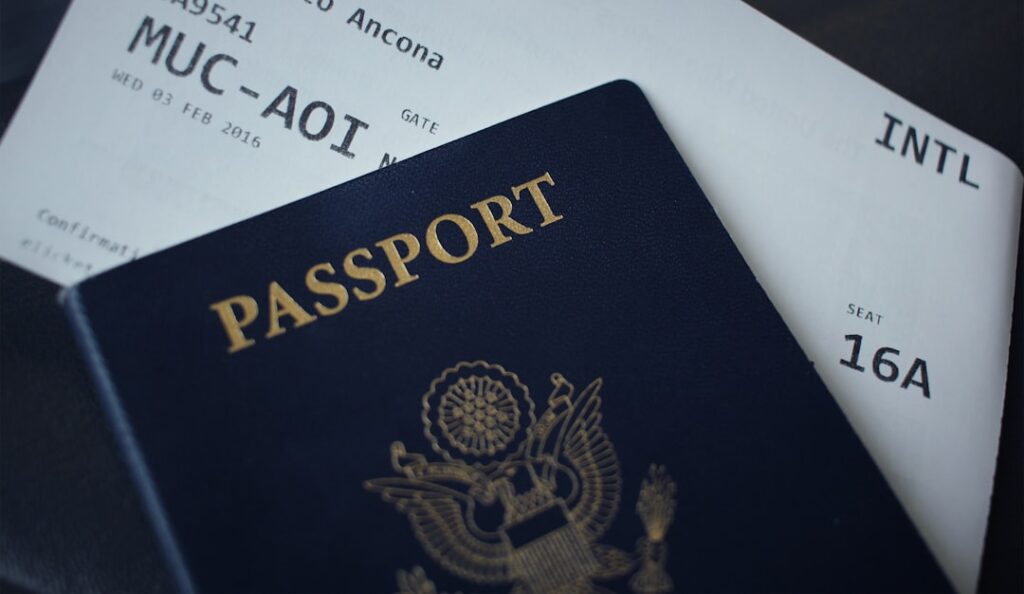
It is worth noting that having an ETIAS authorisation does not guarantee entry into a Schengen country. Border officials still have the right to refuse entry if the traveller does not meet the criteria or presents a risk. Therefore, it is crucial to travel with the necessary documentation, including a valid passport, proof of accommodation, and evidence of sufficient financial means.
If you are unsure about how to begin your etias application, guidance is available to help you navigate the process. Understanding the eligibility requirements, documentation needed, and potential delays can make a significant difference in ensuring a smooth journey.
Families planning to travel together should also be aware that each person, including minors, must have their own ETIAS authorisation. Parents or guardians will need to complete the application on behalf of children, and although minors are exempt from the application fee, all other requirements must be met. Early preparation is key to avoiding last-minute complications.
In addition to leisure and business travel, the ETIAS system also applies to those transiting through the Schengen Area. Even if your final destination lies outside the EU, a valid ETIAS may be required if your flight connects through a Schengen country. This is an important consideration for global travellers who may not initially realise the need for pre-authorisation.
As the implementation date approaches, it is sensible to stay informed about any updates or changes to the system. Consulting with immigration professionals or trusted resources can help ensure compliance and minimise disruption to your travel plans. For further insight or assistance with your application, you can explore detailed information and support services related to Schengen travel authorisation from experienced professionals.
Overall, the ETIAS application represents a shift toward more structured and secure travel to Europe. While it introduces a new requirement for millions of travellers, the process is designed to be efficient and user-friendly, aiming to enhance safety while maintaining the freedom of movement that makes Europe such a popular destination. Preparing in advance and understanding the expectations will help ensure that your European travels remain seamless and enjoyable.