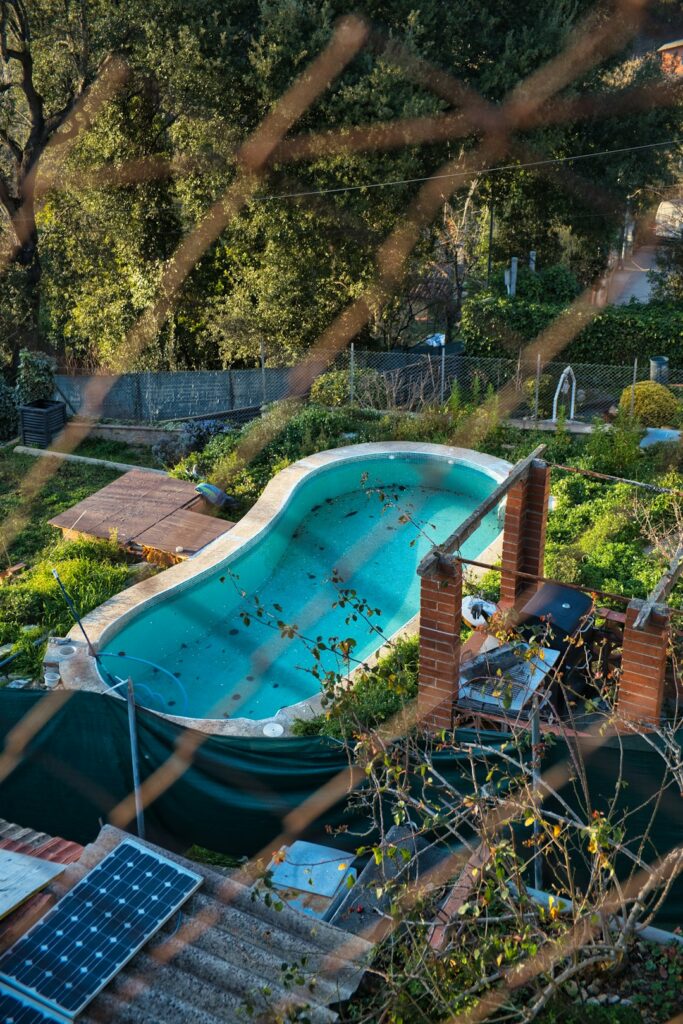

One of the most reliable methods to keep water out is applying a liquid membrane. This product forms a flexible layer that bonds tightly with surfaces like concrete or timber. It expands and contracts with temperature changes, which reduces cracking and prevents leaks even when the pool is submerged. A well-applied membrane can reduce the chance of water penetration significantly.
For anyone tackling swimming pool waterproofing, this method offers a practical balance between durability and ease of use.
Imagine a hotel owner installing a new outdoor pool for guests. Without waterproofing, water can gradually seep into the foundation, causing structural damage that’s costly and disruptive. By choosing an effective waterproofing system, they protect the building’s integrity and avoid business interruptions. This proactive approach keeps the facility safe and inviting for visitors, while safeguarding the sizable investment required to build the pool.
Applying liquid membranes is straightforward but demands attention to detail. Start by thoroughly cleaning the pool surface, any dust, grease, or loose particles will reduce adhesion. The surface must be completely dry before application. Using a roller or brush, apply the membrane evenly, maintaining consistent thickness to avoid weak spots.
Coverage rates vary between products, but typically one pint covers around 10 square feet; check manufacturer guidelines carefully. Multiple coats may be necessary for full protection, with proper drying time between layers, usually several hours depending on humidity and temperature.
Choosing the right product means comparing performance features like UV resistance, elasticity, and curing time. Some membranes handle constant submersion better, while others excel at resisting chemical exposure from pool treatments. Reviewing comparison charts can clarify these differences and help match a product to your specific needs. Manufacturers often provide detailed application manuals, reading these before starting can prevent costly mistakes. It’s common for homeowners to overlook surface prep or underestimate drying times, leading to uneven protection or peeling later.
Keeping up with industry updates adds another layer of preparedness. Subscribing to newsletters focused on waterproofing technology introduces you to new materials and improved techniques as they emerge.
These resources sometimes highlight real-world case studies revealing what works best in different climates or pool types. Staying current means you’re less likely to repeat outdated practices that cause leaks or degrade prematurely.
If you feel unsure about selecting the right waterproofing approach or need extra supplies for your project, don’t hesitate to ask for advice. Professionals familiar with local conditions can recommend products suited for your pool’s design and environment. They can also clarify application nuances, such as how to handle corners and joints where leaks often originate. Consulting experts early can save time and money by avoiding rework.
Protecting your pool from water damage isn’t just about keeping it looking good; it preserves structural integrity and safety over time. With options like liquid membranes readily available, there’s no reason to settle for shortcuts or temporary fixes. Taking care during preparation and application ensures your pool remains a reliable feature in your home or business landscape for years.
For additional practical tips and material sourcing, consider visiting . Reliable information paired with quality products gives you the best chance at flawless waterproofing results.