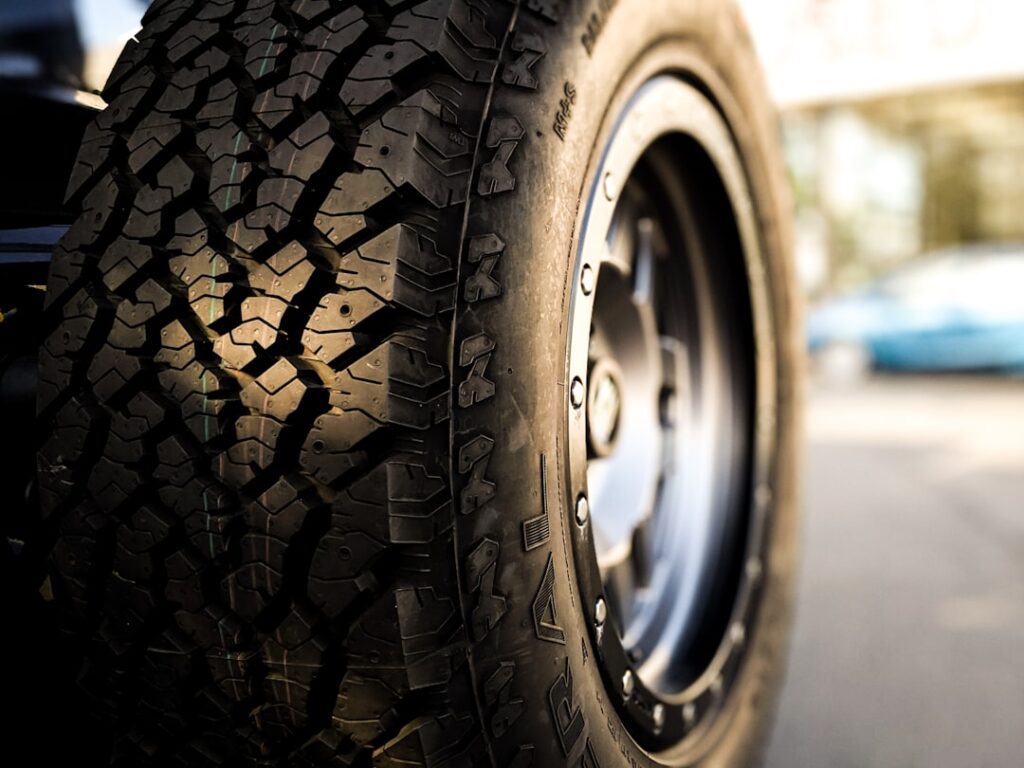
Heavy load tyres are specifically engineered to support substantial weight while maintaining performance, safety, and durability. These tyres are vital in industries such as construction, freight, mining, and agriculture, where vehicles are frequently subjected to extensive loads and harsh environments. Choosing the right type of heavy load tyre can significantly impact operational efficiency, reduce maintenance costs, and improve safety outcomes.
The primary function of a heavy load tyre is to carry more weight than standard tyres without compromising stability or traction. To achieve this, manufacturers incorporate reinforced sidewalls, deeper tread patterns, and specific rubber compounds that resist wear and heat build-up. The structure and materials used in these tyres enable them to withstand the pressures of continuous heavy-duty use, often on rough or uneven surfaces.
Tyres designed for carrying heavy loads are commonly found on vehicles such as trucks, trailers, buses, and agricultural machinery. Each application demands specific performance characteristics. For instance, tyres used in freight transport must offer fuel efficiency and even tread wear for long-distance travel, while those in construction need puncture resistance and strong grip for off-road conditions. The choice of tyre must therefore align with the intended use and the conditions it will face.
Selecting the appropriate heavy load tyres involves consideration of several factors, including load rating, ply rating, and terrain compatibility. Load ratings indicate how much weight a tyre can safely support, while ply ratings reflect the tyre’s internal strength. Terrain compatibility ensures that the tyre will perform well on surfaces ranging from smooth highways to rocky work sites. Understanding these specifications is crucial in ensuring safety and maximising tyre lifespan.
Proper tyre maintenance is another essential aspect of managing heavy-duty vehicles. Regularly checking tyre pressure, alignment, and tread depth helps prevent premature wear and reduces the risk of blowouts. Over- or under-inflated tyres can lead to uneven wear and reduced fuel efficiency, while misaligned wheels can cause handling issues. Operators should follow a consistent maintenance schedule and replace tyres when they approach the end of their service life.
Tyre technology continues to evolve to meet the increasing demands of industrial and commercial fleets. Innovations such as self-sealing compounds, enhanced tread designs, and integrated sensors are becoming more common in the heavy tyre market. These advances not only improve safety and performance but also contribute to sustainability by extending tyre life and reducing waste.
In addition to technical specifications, there are environmental and economic considerations when investing in tyres for heavy-duty applications. High-quality tyres may come with a higher upfront cost but often provide better mileage and longer service intervals, resulting in lower total cost of ownership. Meanwhile, advancements in recycling and retreading are helping to mitigate the environmental impact of tyre disposal.
Fleet operators and individual owners alike should seek expert guidance when selecting tyres for heavy-duty use. Consulting with tyre professionals ensures that the correct specifications are met for the intended application. This step is especially important for those managing multiple vehicle types or operating in varied conditions, where a one-size-fits-all approach is unlikely to yield optimal results.
For those seeking more detailed information or looking to explore a range of tyre solutions, this tyre resource offers an extensive overview of products and guidance tailored to Australian conditions. Whether managing a fleet or selecting tyres for a single vehicle, informed choices lead to better performance outcomes and greater value over time.
In conclusion, heavy load tyres play a critical role in ensuring the safety, efficiency, and reliability of vehicles operating under demanding conditions. By understanding tyre specifications, investing in quality products, and maintaining them properly, operators can achieve significant benefits in performance and cost-effectiveness. As technology continues to advance, the role of these tyres in supporting modern industry will only grow more vital.