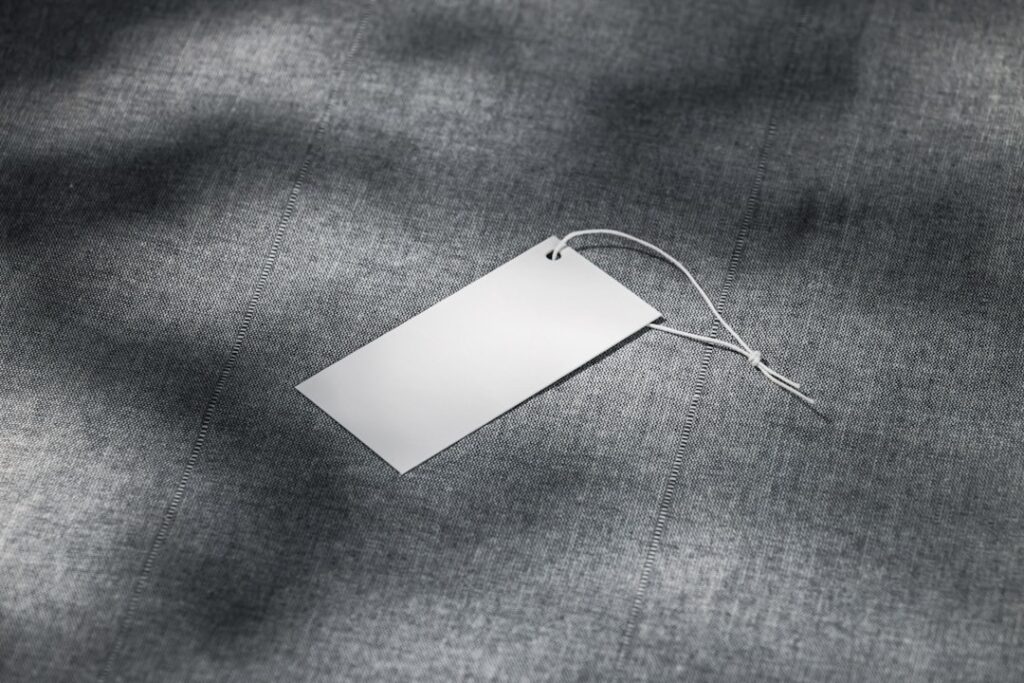
Picture walking into a local shop where every product carries a label that’s clearly designed to tell its story. That first visual impact can steer a customer’s choice far more than price alone. Many business owners overlook how much their labels say about their brand. Generic stickers don’t cut it when you want to stand out. Custom printed labels let you inject personality, whether through bold colours, unique shapes, or sizes that fit your packaging perfectly. It’s branding you can hold.
Custom self-adhesive labels do more than look good. They serve practical purposes across industries like food, cosmetics, and retail. For example, a small bakery might highlight organic or gluten-free products with labels that spell out those details clearly. That transparency builds trust and gives customers a reason to come back. Labels that tell a story create emotional connections, turning casual buyers into loyal fans.
Startups often begin with off-the-shelf labels due to tight budgets. That’s understandable. But as the product line grows, so does the need to stand apart from competitors. A sharp label design communicates quality and professionalism instantly. Being able to print any size or shape means you aren’t stuck with cookie-cutter options that don’t fit your bottle or box well. This flexibility prevents wasted space and lets your packaging do more work.
Sustainability has become a real factor with many shoppers. Choosing eco-friendly label materials sends a clear message about your values without sacrificing durability or print quality. Companies that make this choice can include phrases about recyclability or compostable features right on the label. That kind of transparency appeals to buyers who care about environmental impact and want their purchases to reflect those priorities.
Printing technology matters when creating custom labels. Flexographic printing is ideal for large runs where speed and consistent colour matter. On the other hand, digital printing offers crisp detail and quick turnaround for smaller batches or designs with fine gradients and multiple colours. Picking the right method depends on quantities, budget, and artwork complexity. A common mistake is ordering digital prints for huge volumes, which can unnecessarily drive up costs.
Custom shaped labels offer solutions for packaging that isn’t standard. Irregular bottles or containers benefit from labels tailored to their curves and edges, maximizing brand presence without awkward gaps or overlaps. For example, a craft beverage company might use a label shaped like a leaf or flame to reinforce brand themes visually. These shapes catch eyes better than typical rectangles stuck on crookedly.
Questions about cost and lead times often hold businesses back from committing to custom labels. Talking with a label supplier early helps set realistic expectations based on order size and design requirements. They can explain minimum orders and typical turnaround times, which vary by printing method and material availability. A simple habit is to prepare final artwork carefully to avoid delays caused by file issues or colour mismatches.
Whether you’ve been in business for years or just launched, investing in your packaging’s look is investing in your brand’s future. Reach out for advice on how custom printed labels can elevate your product’s shelf appeal. Also, consider exploring if you want to test new designs without overcommitting resources.