
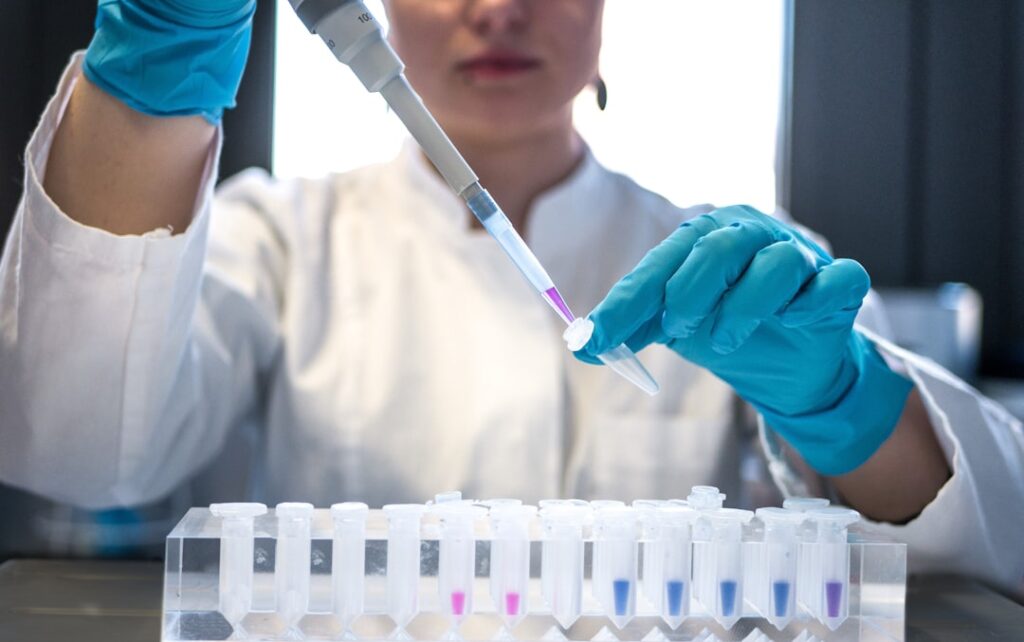
Imagine managing a project at a biotech company where your job is to get a new drug ready for clinical trials. The early stages are full of hurdles, from proving safety to gathering reliable data. That’s where a preclinical UK CRO steps in, offering focused services to handle the heavy lifting of early research and testing. They run the toxicology tests that reveal what side effects might crop up and conduct pharmacokinetic studies to see how the drug moves through the body, key info before anyone takes a dose. These firms bring specialized facilities and experienced staff that most companies don’t have on hand, providing quicker turnaround on data you can trust.
Picture your team has developed an antibiotic aimed at drug-resistant bacteria. Before moving forward, you need proof it actually works in living systems. A preclinical UK CRO can run animal studies that show how effective your compound is and flag any early safety concerns. Often, these studies reveal issues with dosage or unexpected reactions, letting you tweak the drug before bigger trials. The CRO’s detailed protocols and standard operating procedures also mean experiments follow consistent methods, which helps with reproducibility, a common problem if labs aren’t aligned.
Outsourcing comes with trade-offs. You give up some control over day-to-day activities and timelines. Sometimes, communication gaps lead to misunderstandings about study parameters or data reporting formats. That’s why setting clear expectations and regular check-ins upfront is standard practice. Having someone on your team who understands preclinical study design can bridge those gaps and keep things on track.
Cost is another factor. Contracting a CRO requires significant budget allocation, and smaller companies often juggle between affordable in-house testing and outsourcing the more complex work. A common approach is to run preliminary assays internally and then hand off large animal studies or specialized toxicology work to an external lab. This staged strategy balances expenses without compromising on the quality of data needed for regulatory submissions.
Regulations add another layer to consider. The UK’s Medicines and Healthcare products Regulatory Agency (MHRA) sets strict guidelines for preclinical testing standards and documentation. A reputable preclinical UK CRO knows these rules inside out and ensures your studies follow protocols that stand up during audits or inspections. Proper record keeping, including detailed lab notebooks and raw data files, is something they emphasize because sloppy documentation can stall drug development for months.
Working with a CRO can also affect your internal team’s knowledge base. Outsourcing risks creating gaps if your scientists aren’t involved in study planning or results analysis. It helps to maintain active engagement by reviewing protocols and attending milestone meetings. Some companies schedule training sessions based on CRO findings to build internal expertise, which pays off when designing future projects or troubleshooting unexpected results.
In practice, one useful habit is having a dedicated project liaison who understands both the science and the CRO’s operations. This person acts as the point of contact, ensuring data flows smoothly and questions get answered promptly. They often catch issues before they become problems, like spotting inconsistencies in data sets or clarifying ambiguous protocol steps early on. When timelines get tight, that role becomes invaluable for avoiding costly delays.
Deciding whether to use a preclinical UK CRO depends on your project’s scale, budget, and team capacity. Their specialized equipment and regulatory know-how can speed up early development phases, but only if communication lines stay open and everyone understands their responsibilities. For more practical details on outsourcing preclinical work, visit uk drug development services.