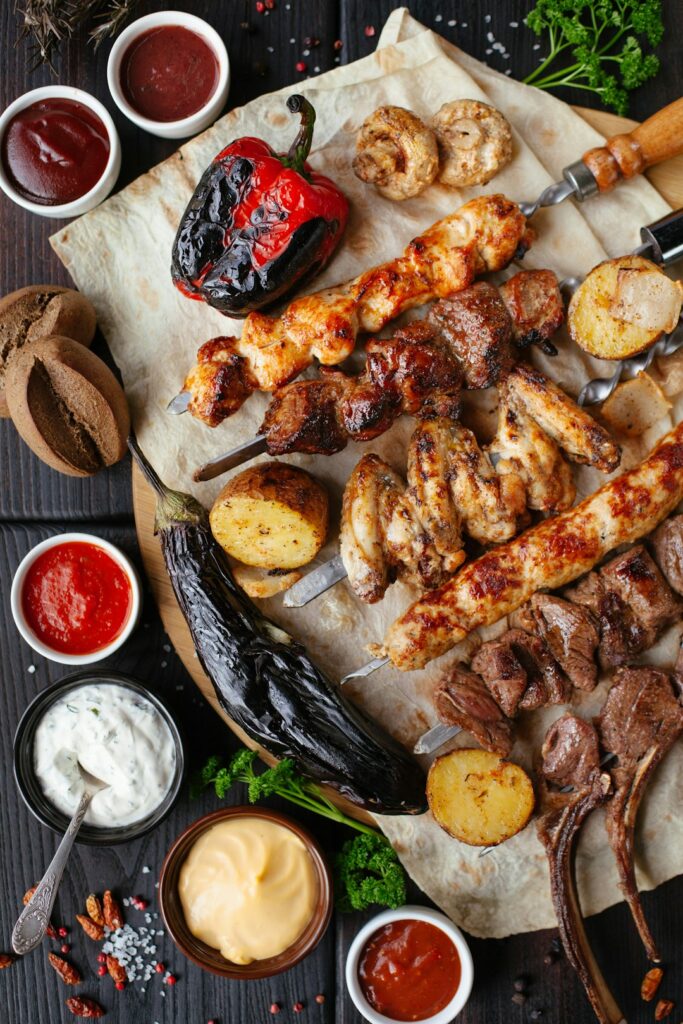
Step into a crowded restaurant in downtown Los Angeles, and the first thing that hits you is the mix of aromas from fresh herbs and spices. Plates arrive at tables looking like small works of art. Capturing that appeal in photos requires more than just pointing a camera. A skilled food photographer knows how to make dishes look irresistible, which can directly influence whether someone decides to try a restaurant. In a city where restaurants pop up constantly, strong visuals are often what set a business apart online and in print.
Experience with different photographic styles matters when selecting a food photographer. Some shoot with bright, natural light that emphasizes freshness and vibrant colors. Others prefer darker, moodier setups that bring out texture and depth. Think about what fits your purpose. Bright images usually work better for social media ads where you want to grab attention quickly. On the other hand, editorial spreads or cookbooks might benefit from dramatic lighting that tells a richer story. Knowing these differences helps avoid mismatched expectations.
Technical skill is just as important as style. Take depth of field, for example. Using a shallow focus isolates the dish by blurring the background, making the food pop visually and eliminating distractions. A wider focus includes more of the setting, which adds context but might reduce emphasis on the main item. Photographers often switch between these approaches depending on the message they want to send or the platform where the photo will appear. It’s a subtle art.
Composition affects how viewers engage with an image. The rule of thirds remains a reliable guide: imagine dividing the frame into nine equal squares and placing key elements along those lines or intersections. This balances the image naturally. Props can help too, but they must be chosen carefully. Simple utensils or a crumpled napkin can add life and realism without stealing attention from the food itself. Good photographers spend time arranging these details before shooting, sometimes going through multiple setups to find the best arrangement.
Budget considerations often come up in these projects. Professional food photography isn’t cheap because it demands specialized equipment, studio time, and post-processing skills. Still, investing in quality photos typically boosts customer interest and can increase bookings or sales over time. For example, an upscale eatery might see more online reservations after updating its website with fresh menu images that accurately reflect the dish quality. Skimping on photos can make even great food look unappealing.
Collaboration with your photographer can enhance results significantly. Many offer styling services to prepare dishes so they look their best under lights, sometimes using tricks like brushing oil on vegetables or adjusting steam effects to appear appetizing without overdoing it. Retouching is another service that ensures colors pop and imperfections vanish without making images look artificial. Expect to discuss your vision openly and review test shots before final delivery. This back-and-forth reduces surprises and helps avoid costly reshoots.
If you want someone familiar with the nuances of food and beverage photography in Los Angeles, consider contacting a los angeles food photographer. They understand local dining trends and the kinds of images that resonate with customers here. Their portfolio will show if their style matches what you’re aiming for.
A practical tip: always check how consistent a photographer’s work looks across different projects. Fluctuations in quality could signal rushed jobs or lack of attention to detail. Also, clarify what’s included in pricing, some charge separately for styling or retouching, which can catch you off guard if not discussed upfront.
For additional insights on styling techniques and photo preparation, visit food styling tips for restaurants. These resources can improve your understanding of what goes into making food photography effective beyond just the camera work.