
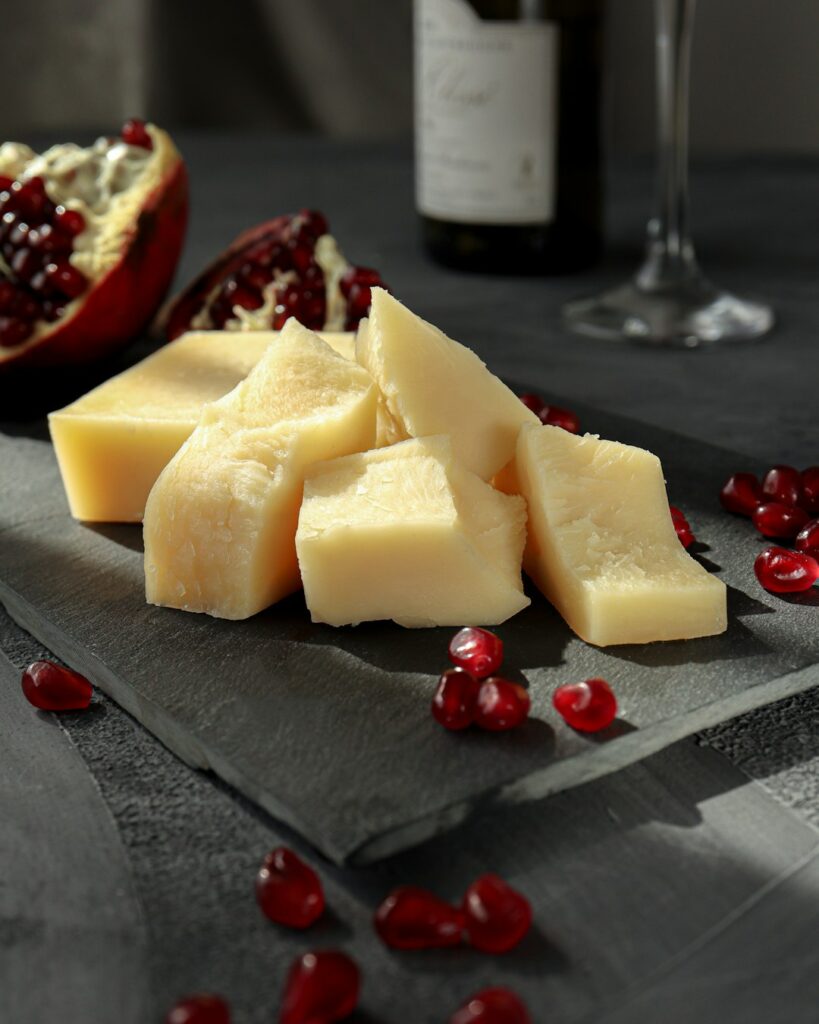

Consider a café owner who noticed a growing demand for plant-based options among health-conscious patrons. Initially, the menu featured only dairy cheese, which limited appeal. After researching suppliers and experimenting with recipes, they introduced a range of vegan cheeses including a signature vegan brie served with artisan crackers and seasonal fruit such as figs or pears. They also trained staff to describe the unique flavours and textures to curious customers, helping to bridge the gap between expectation and experience. This approach not only diversified their menu but attracted new clientele, proving that quality plant-based cheese deserves space alongside traditional offerings.
A party planner faced a similar challenge when organizing an event for guests with dietary restrictions including veganism and lactose intolerance. Instead of offering a standard cheese platter, she curated a selection of plant-based cheeses featuring herbed spreads, creamy fondues, and the star of the show: vegan cheese brie. She paired these with gluten-free crackers and fresh vegetables, ensuring every guest could enjoy without compromise. The planner also prepared tasting notes for each item, which encouraged conversation and appreciation among attendees. Feedback highlighted how including vegan options enhanced the overall experience, creating an inclusive environment rather than one where some guests felt left out.
The process behind crafting vegan brie involves more than blending nuts and adding flavouring. Fermentation cultures play a critical role in mimicking traditional cheese development. Cashews or almonds are soaked, blended into a smooth base, then inoculated with bacterial cultures and sometimes mold strains that form the characteristic white rind. Monitoring humidity and temperature during aging is crucial to achieving the right texture , soft yet firm enough to slice cleanly. Nutritional yeast contributes umami notes, balancing the nutty and tangy elements. Producers often conduct small batch tests to refine these variables before scaling up production.
For businesses adapting to shifting dietary trends, incorporating vegan cheeses can be a straightforward addition rather than a complete overhaul. Offering these options alongside classic dairy cheeses or creating dedicated platters helps familiarize customers with plant-based varieties without alienating traditionalists. Staff education is equally important; if employees understand the production methods and flavour profiles, they can better guide customers through tastings or menu choices. Regularly updating suppliers and sampling new products keeps offerings fresh and appealing.
Environmental concerns also drive interest in plant-based cheeses. Dairy farming carries a significant carbon footprint and resource demand, which many consumers want to reduce through their food choices. Vegan cheese production generally uses less water and land while avoiding animal welfare issues. Highlighting these benefits transparently can attract an audience motivated by sustainability as well as health.
Practically speaking, serving vegan cheese brie requires attention to presentation and pairing. It’s best served at room temperature to bring out its full aroma and creaminess. Accompany it with complementary flavours such as tart fruits, crunchy nuts, or savory crackers. Avoid overwhelming it with strong condiments that mask its subtle nuances. For storage, keep it refrigerated in breathable packaging to maintain moisture balance and prevent spoilage. Labeling clearly helps prevent confusion among guests who may be wary of unfamiliar products.
Offering plant-based cheeses like vegan brie opens up new culinary possibilities. It invites experimentation with recipes that traditionally rely on dairy, such as baked brie dishes or cheese boards featuring diverse textures and tastes. With thoughtful sourcing, preparation, and presentation, vegan cheese can stand proudly on any menu or event spread. As more people explore plant-based eating, those who embrace quality alternatives early gain an edge in meeting evolving customer expectations.vegan cheese brie
If you want to expand your menu or event catering further, consider exploring plant-based artisan products available at plant-based cheese selections. These provide additional variety and showcase the range achievable without dairy ingredients.