
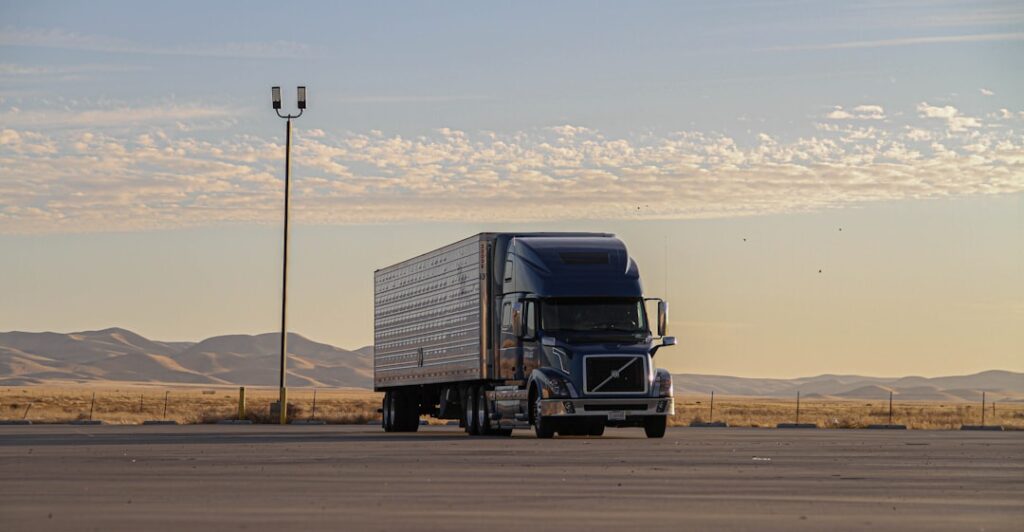
The commercial transport industry relies heavily on dependable tyres to ensure the safety, efficiency and longevity of fleet operations. Tyres for heavy vehicles, particularly trucks, are critical components that influence fuel economy, road handling and cargo safety. Among the various tyre categories, truck tyres are designed to withstand the challenges of long-distance hauling, heavy loads and diverse road conditions. These tyres must meet rigorous standards for performance and durability, as the demands placed upon them in logistics and freight transport are considerable.
Truck tyres are engineered with reinforced sidewalls, deep treads and advanced rubber compounds that contribute to their strength and resilience. The choice of tyre can significantly affect operational costs for transport companies, especially in sectors where vehicles cover thousands of kilometres each week. Factors such as tread design, heat resistance and rolling resistance all play a role in determining how a tyre performs over its lifespan. For fleet managers and logistics operators, choosing the right tyre is a strategic decision that impacts not only vehicle performance but also safety compliance and cost-effectiveness.
When evaluating heavy truck tyres, it’s essential to consider the types of roads and weather conditions they will encounter. Long-haul tyres are typically designed to handle extensive motorway driving, offering lower rolling resistance to improve fuel economy. On the other hand, regional and mixed-service tyres are built to endure frequent stops, starts and tighter turning radii, often found in urban or rural delivery routes. Each category has distinct design features that align with its intended use, ensuring that tyres wear evenly and maintain traction in various conditions.
Fleet managers often assess tyre options based on total cost of ownership, which includes not only the purchase price but also the projected mileage, maintenance requirements and potential for retreading. Retreading, in particular, is a cost-saving measure for many operators, allowing tyres to be reused with new tread patterns after the original has worn down. Quality truck tyres are designed with casings that can withstand multiple retread cycles, thereby extending their usable life and reducing overall waste.
An important consideration in tyre selection is compliance with national and international safety regulations. Tyres must adhere to specific performance standards, including those related to braking distance, load capacity and temperature resistance. Manufacturers conduct extensive testing to ensure their products meet or exceed these requirements under real-world conditions. Additionally, some tyre models are designed with smart technology, such as embedded sensors that monitor pressure and temperature, offering real-time data to improve fleet management.
For transport companies operating across Australia, understanding the local road conditions and climate variations is essential when choosing truck tyres. The country’s diverse terrain, ranging from coastal highways to remote outback routes, presents unique challenges that demand robust and adaptable tyre technology. Tyres must be capable of enduring high temperatures, rough surfaces and long stretches without service stations. Therefore, investing in high-quality michelin truck tyres can be a prudent decision for ensuring long-term vehicle performance and reducing downtime.
Beyond performance, sustainability is becoming an increasingly important factor in the tyre industry. Many manufacturers are focusing on reducing their environmental impact by developing tyres that are more fuel-efficient, longer-lasting and easier to recycle. Some are exploring alternative materials and production methods that minimise emissions and resource use. These innovations not only benefit the environment but also present cost-saving opportunities for fleet owners in the long run.
As technology continues to advance, the integration of digital tools and data analytics into tyre management is likely to become more widespread. Fleet operators can use telematics systems to track tyre wear, monitor inflation levels and schedule maintenance proactively. This level of oversight helps prevent failures on the road and optimises tyre usage across the fleet.
For more insight into choosing the right tyres for your commercial vehicles, industry professionals can refer to resources offered by trusted suppliers. One such source is this provider of comprehensive tyre solutions, offering valuable information and support for fleet management across Australia. To learn more about available products and services, visit their commercial tyre solutions page.
Ultimately, selecting the appropriate truck tyres involves balancing performance, safety, cost and environmental considerations. With proper management and informed choices, transport operators can enhance their fleet’s reliability and achieve operational efficiency that meets the demands of modern logistics.