
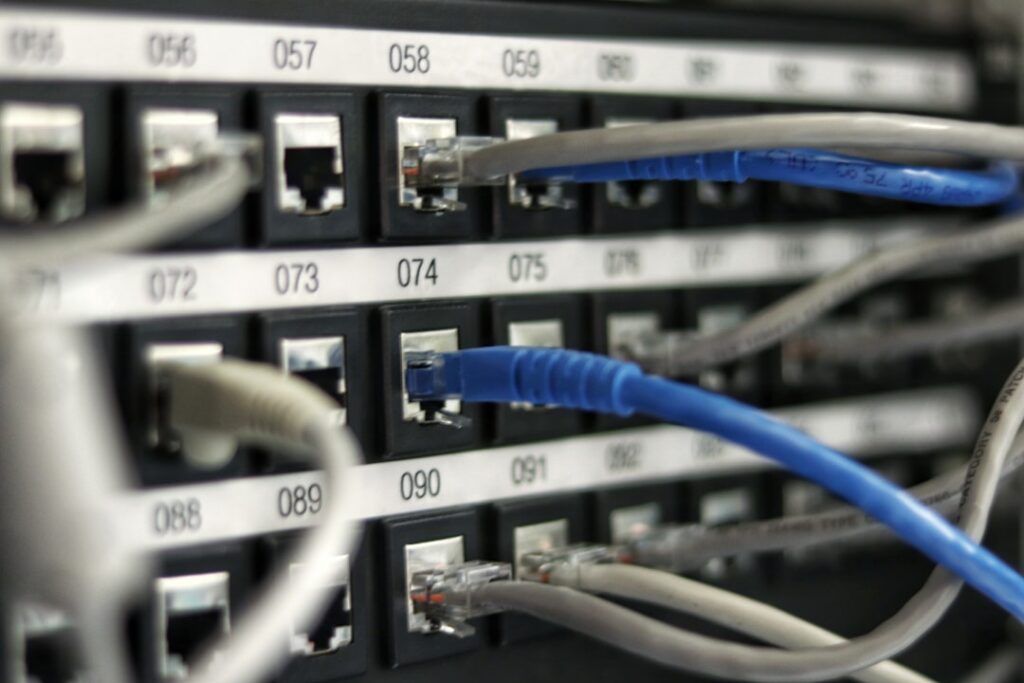
Frequent network outages can cripple an office, leaving employees locked out of essential applications and growing frustrated. Often, the cause traces back to manual network configuration. These manual updates demand careful planning and execution, but mistakes happen. A simple misstep can disrupt services and create downtime. IT teams often find themselves firefighting rather than optimizing the network. In many cases, documentation is outdated or inconsistent, forcing engineers to double-check configurations on multiple devices before proceeding with changes.
One company struggled with managing equipment from various vendors. Their older systems required constant hands-on adjustments to keep everything running smoothly. This led to frequent downtime and limited insight into the network’s real-time status. Introducing configuration automation tools changed the game for them. Tasks that once took hours were reduced to minutes, and the chance for human error dropped significantly. Having a centralized dashboard gave them a clear picture of network health and device compliance, which made troubleshooting faster and more precise.
Configuration management means keeping servers, computers, and software aligned in a consistent state. Traditionally, this was done manually with static settings that rarely matched across different platforms. Discrepancies piled up, creating hidden vulnerabilities and unpredictable behavior. Modern network configuration software automates these updates across all devices simultaneously. This uniformity cuts down on conflicting configurations and ensures that patches and policy changes are applied immediately. Engineers can focus on verifying automated reports rather than combing through logs line by line.
Scaling a network without a firm plan often leads to chaos. Adding new devices multiplies complexity, increasing the risk of misconfigurations and security gaps. Automated monitoring tools provide continuous feedback on performance and compliance, alerting staff before minor glitches escalate. For example, setting thresholds for unusual traffic patterns or unauthorized changes helps catch problems early. Regular automated audits replace tedious manual spot checks, offering peace of mind that standards are met consistently.
Intelligent automation takes network management further by running scripts that configure devices based on pre-set policies. This reduces reliance on individual expertise and enforces compliance more reliably. It also accelerates deploying updates across different environments, which is vital for businesses needing quick responses to emerging issues or regulatory changes. Having version control on configurations means any rollback is straightforward if something breaks. Teams often maintain checklists tied to automation runs to verify each step completed successfully.
Consider how one organization shifted from reacting to crises toward a proactive stance using automation playbooks. They standardized routines like device provisioning and configuration reviews with scripted workflows. This approach cut downtime significantly and freed IT staff to tackle larger projects instead of repetitive tasks. A common habit they adopted was documenting exceptions immediately after automated runs to avoid confusion later. This small practice prevented duplicated efforts and kept records accurate.
Companies adopting these technologies see real improvements in accuracy and network visibility. After moving to platforms designed specifically for network configuration software, many report smoother operations and reduced errors. Such tools give IT teams control over complex infrastructures without sacrificing security or reliability. Regularly updating runbooks and maintaining clear communication between teams helps avoid misconfigurations caused by assumptions or outdated information.
For those exploring upgrades, integrated suites offering both monitoring and configuration management provide practical advantages. Resources detailing real-world implementations can shed light on what works well in specific environments. Reading about others’ transitions can spark ideas for handling your own challenges. One useful resource is network automation best practices, which offers guidance on effective strategies and common pitfalls.