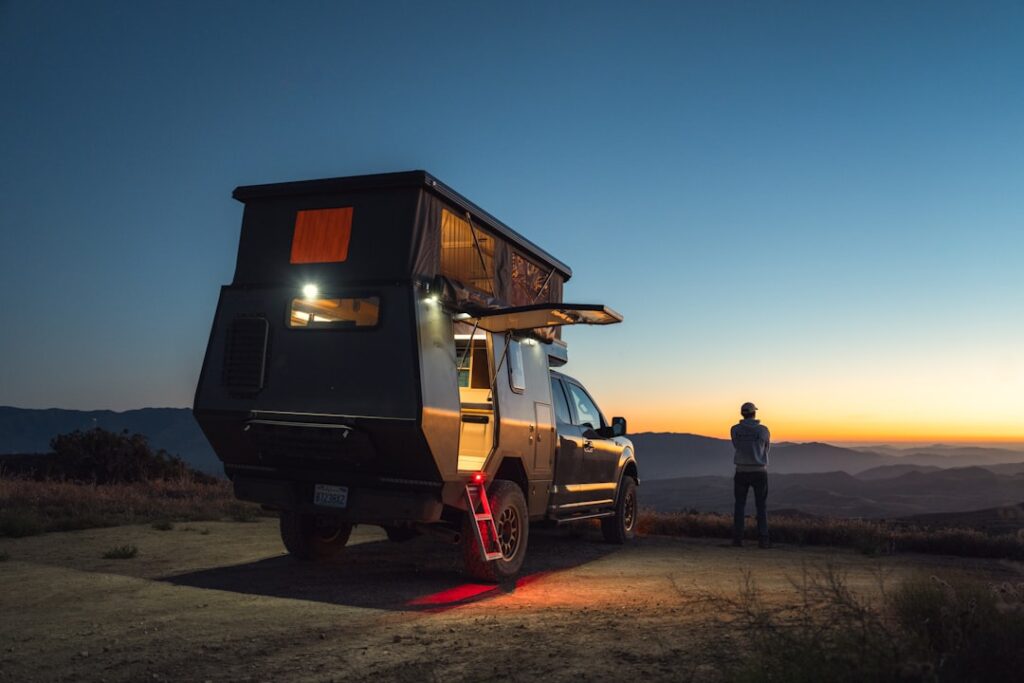
Building a capable overlanding truck setup is a rewarding process for those who value adventure and self-reliance. Whether you’re planning a weekend escape or an extended journey off the grid, the right configuration can make all the difference in safety, comfort, and performance. Overlanding requires a blend of off-road capability, efficient storage, and reliable systems for sleeping, cooking, and navigation.
The foundation of any overlanding build starts with the truck itself. Choosing a vehicle that suits your terrain and travel style is crucial. Some prioritize payload and towing capacity, while others focus on maneuverability and fuel efficiency. Once the base vehicle is selected, the customization begins. A suspension upgrade enhances ground clearance and ride quality, especially when hauling gear across uneven trails. Durable all-terrain tires further improve traction and resilience under tough conditions.
Storage solutions are central to overlanding. A well-organized bed or canopy system can house essential gear such as recovery tools, spare parts, and food supplies. Modular drawer systems, roof racks, and bed racks help maximize space and accessibility. When considering a complete overlanding truck setup, it’s important to think through how each piece of gear integrates with your overall plan.
Sleeping arrangements vary widely depending on preference and available space. Rooftop tents offer elevation and quick deployment, while bed-mounted campers provide more insulation and protection from the elements. Interior sleeping platforms are another option for those looking to keep a lower profile or travel light. Comfort often comes down to insulation, ventilation, and the ability to set up and pack down quickly.
Power and electronics are another significant area of focus. Dual-battery systems, solar panels, and inverters enable the use of lights, fridges, and charging stations without draining your primary battery. Water storage and purification systems also add self-sufficiency for longer trips into remote areas. Careful planning ensures that these systems are reliable and easy to maintain in the field.
Communications and navigation tools are essential for safety and situational awareness. GPS units, offline maps, and satellite communication devices help travelers stay informed and connected. These tools are especially valuable when exploring remote regions where cell service is unavailable. Integrating them into the truck in a way that is both functional and secure is key.
Finally, the personal side of overlanding shouldn’t be overlooked. Each setup reflects the traveler’s goals, from weekend warriors to long-term explorers. Customizing a rig is not just about equipment, but about building confidence and independence on the road. For guidance, gear insights, and expedition planning, resources like this outdoor adventure site can provide a solid foundation for getting started.
Every overlanding truck setup is a balance between preparation and adaptability. As your experience grows, your build will evolve to meet new challenges and ambitions. The journey is as much about refining your setup as it is about the destinations you reach.