
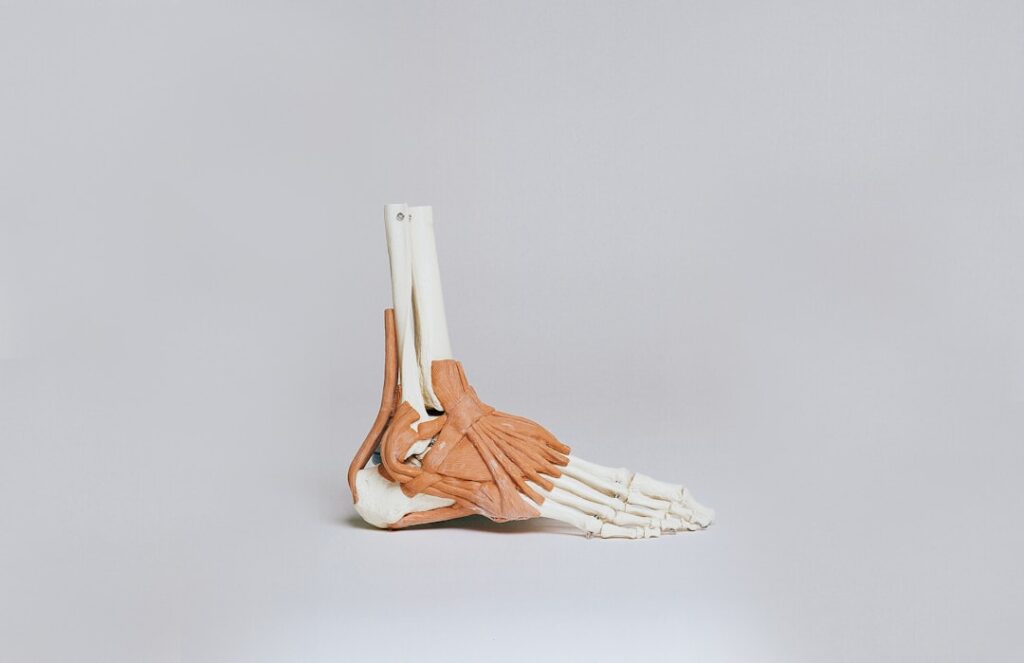

Sports physiotherapists don’t just look at the injury; they examine why it happened. They assess your movement patterns and muscle imbalances that might have contributed to the sprain. This detailed analysis helps build a rehab plan that not only treats the injury but reduces the chance of it happening again. For instance, they might notice a weakness in your calf or tightness in your Achilles tendon that needs addressing.
Rehabilitation exercises form the backbone of recovery. Strengthening the muscles around your ankle is key, along with proprioceptive training to regain your balance and coordination. Simple exercises like toe raises or resistance band work can rebuild muscle support. Balance boards or wobble cushions are often introduced to retrain your ankle’s sense of position, which is vital to prevent re-injury when you return to sports.
Manual therapy can also be part of treatment. Techniques such as joint mobilisations or soft tissue massage target stiffness and tight spots around the ankle. These hands-on methods improve blood flow and reduce pain, helping the tissues heal faster. It’s normal for patients to feel soreness after these sessions; communicating your pain level helps your therapist adjust the treatment appropriately.
Ankle sprains vary widely. Mild sprains might heal with rest and basic physio over a week or two, but severe ligament tears can take months of rehab. Knowing the severity helps set realistic timelines and goals. I’ve seen cases where patients rush back too soon because they underestimate their injury, only to worsen it. Proper diagnosis and honest communication about progress prevent setbacks.
Avoiding future sprains is just as important as healing the current one. Your physiotherapist will advise on footwear choices that provide good ankle support during activity and suggest regular flexibility routines to maintain joint movement. A common mistake is skipping warm-ups or neglecting exercises once pain subsides, which increases the risk of repeat injuries.
If you’ve recently twisted your ankle, seeking physio for ankle sprain is a smart move. A skilled therapist will guide you through each recovery phase, from managing swelling to regaining confidence in your movements.
Mental resilience often gets overlooked but matters a lot. Fear of re-injury can hold athletes back from performing well, even after physical recovery. Physiotherapists can help with strategies to overcome this fear by gradually exposing you to sport-specific activities in controlled settings. This step-by-step approach builds trust in your body’s capacity again.
Effective ankle sprain treatment goes beyond quick fixes. It requires a tailored rehab program focused on strengthening, mobility, injury prevention education, and mental support. Working with experienced physiotherapists who understand sports injuries can make all the difference on your path back to full activity. For additional guidance on recovery and maintaining ankle health, visit ankle injury care advice.