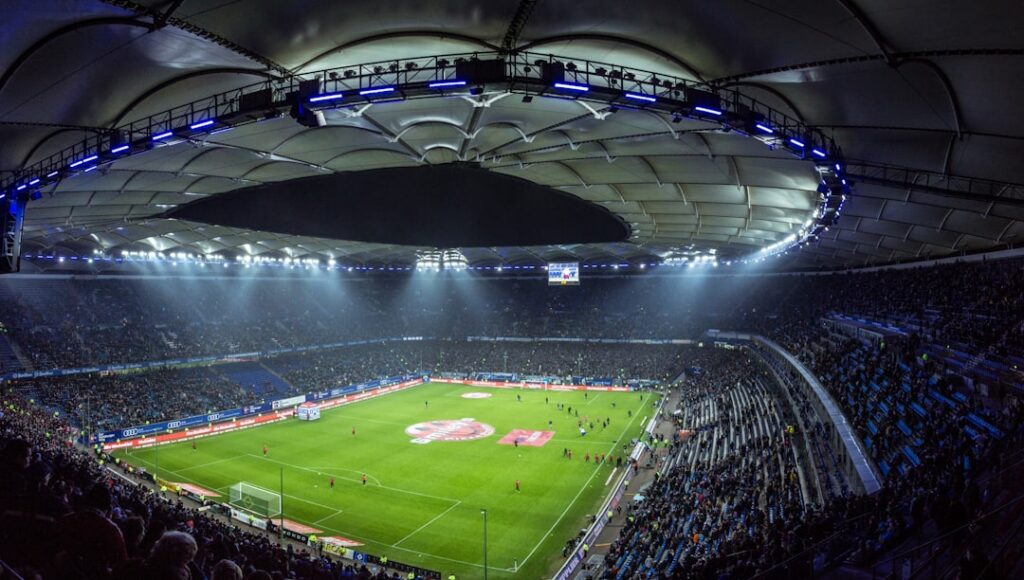
As daylight fades, poor lighting on sports fields can quickly become a safety hazard. Players struggle to track the ball, coaches find it harder to give instructions, and the risk of injuries climbs. For clubs in Perth and regional Western Australia, upgrading to effective lighting isn’t optional, it’s necessary for keeping games running after sunset. Good lighting extends playing hours and improves the overall experience for everyone involved.
LED lights are now the go-to option for sports fields due to their energy efficiency and long lifespan. Unlike older halogen fixtures that burn out quickly and guzzle power, LEDs use considerably less electricity and need fewer replacements. This lowers maintenance costs and frees up budgets for other essentials like equipment or coaching. Plus, LEDs have superior colour rendering, which helps players maintain focus on fast-moving balls regardless of the weather or time of day.
Designing a lighting system requires more than just picking the brightest bulbs. Pole height must be balanced with light spread to avoid blinding glare or shadowy patches on the field. Common mistakes include placing poles too close together or using angles that create uneven illumination. A practical approach involves mapping the field dimensions, running simulations, and then adjusting pole positions accordingly. Experienced installers will also factor in local wind loads and fixture durability.
Routine maintenance is often overlooked but critical. WA’s outdoor conditions, dust, heat, occasional rain, can degrade fixtures if not checked regularly. Clubs should schedule inspections every few months to clean lenses, tighten mounts, and replace damaged wiring before failures cause game delays. Keeping a simple logbook of maintenance activities helps track what’s been done and when next service is due. This habit reduces unexpected downtime and keeps the system reliable.
Consider a football club that swapped out its decade-old halogens for LEDs last year. Visibility improved noticeably during evening matches, but the financial impact was just as important. They cut their electricity bills by about 40 percent, which allowed them to invest in better training gear and hire an additional coach. Having clear data from monthly energy reports helped justify the upgrade to skeptical board members who initially questioned the upfront cost.
A multi-sport facility faced scheduling headaches because daylight hours were limited, forcing teams to compete for scarce evening slots. After installing a versatile LED system tailored for different sports’ lighting needs, they increased their booking capacity substantially. The new lights support football, cricket, and netball without compromising visibility or safety. This upgrade attracted more teams and events, boosting community involvement and venue income.
Engaging professionals with hands-on experience is key to avoiding common pitfalls in sports field lighting projects. They understand local regulations, safety standards, and energy rebates available in WA. They also advise on optimal fixture types, mounting hardware, and control systems that allow dimming or zoning to save power when full illumination isn’t necessary.
For clubs weighing their options, reviewing lighting design manuals from industry bodies can provide practical insights into standards for lux levels, uniformity ratios, and glare control. Consulting with installers early prevents costly redesigns later. Simple measures like confirming pole foundations are level before installation or pre-wiring conduits save time and money during construction.
To explore more about efficient lighting for sports fields projects or discuss your facility’s needs directly, visit our site. We also offer detailed advice on that can help clubs plan smart upgrades that last.