
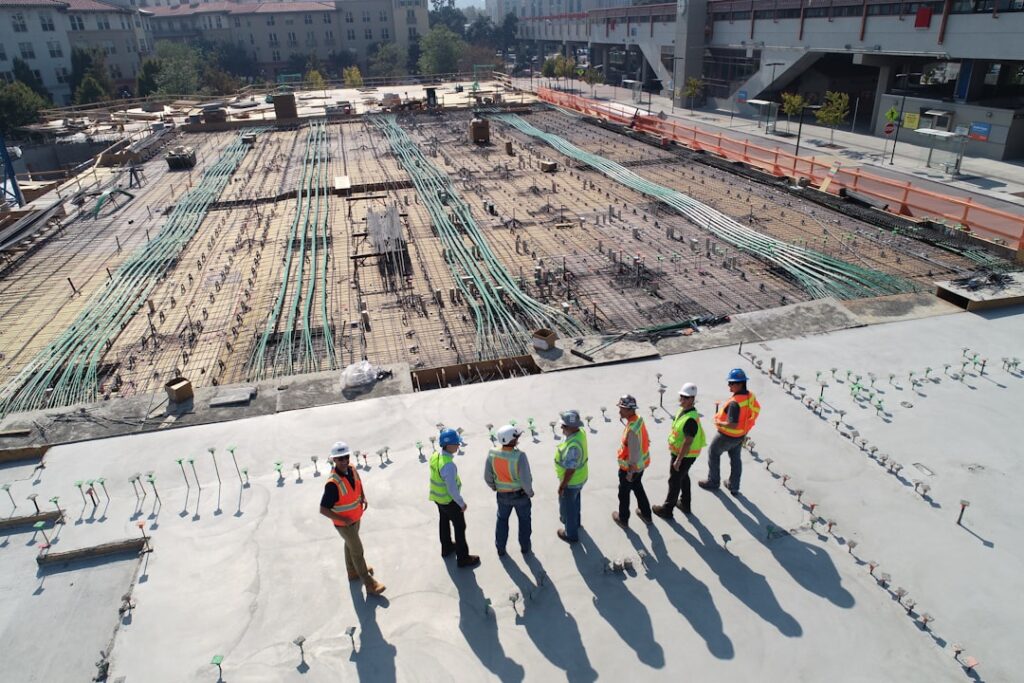
Professional engineering consulting plays a vital role in the design, development, and implementation of infrastructure, products, and systems across countless industries. These services are essential for organizations aiming to ensure safety, efficiency, and compliance with regulatory standards. Whether in civil, mechanical, electrical, or environmental engineering, consulting engineers bring specialized expertise to complex problems, enabling clients to make informed decisions and achieve successful outcomes.
At its core, professional engineering consulting involves the application of engineering principles to provide independent, expert advice. Consultants often support projects from the earliest planning stages through to completion, offering insights into feasibility, cost estimation, risk management, and technical design. Their objective perspective helps clients navigate challenges that may not be immediately apparent, such as long-term maintenance implications or potential regulatory obstacles.
One of the key advantages of hiring a professional engineering consultant is access to a broad range of experience. These professionals frequently work across various sectors, meaning they bring a diverse toolkit of techniques and solutions. For instance, a consultant who has worked on both municipal water systems and private industrial facilities can apply best practices from one domain to improve outcomes in another. This cross-industry expertise proves invaluable in developing innovative, efficient designs that might not emerge within a single organization’s internal team.
Engineering consultants also contribute significantly to project risk management. By conducting thorough analyses of site conditions, environmental impacts, and material specifications, they help identify potential problems before they escalate. Their insights can lead to revised plans that prevent costly delays or safety issues. This proactive approach is particularly critical in sectors like transportation or energy, where system failures can have far-reaching consequences.
In addition to technical proficiency, professional engineering consulting requires strong communication and project management skills. Consultants must clearly articulate complex ideas to non-engineers, such as stakeholders, government officials, or investors. They also coordinate with architects, contractors, and regulatory bodies to ensure that all project elements align. Effective collaboration underpins the success of any engineering project, and consultants often serve as the linchpin that keeps all parties moving toward a common goal.
Modern engineering consulting firms are increasingly integrating digital tools and data analytics into their workflows. Technologies such as Building Information Modeling (BIM), Geographic Information Systems (GIS), and simulation software allow consultants to model scenarios, optimize designs, and forecast outcomes with greater accuracy. This evolution not only improves project efficiency but also enhances the ability to meet sustainability and resilience goals.
For clients seeking reliable expertise, finding the right consulting partner is crucial. A reputable firm will tailor its services to a project’s unique needs, whether that involves structural assessments, system design, or regulatory compliance. Resources such as professional engineering consulting offerings can guide decision-makers toward specialized support that aligns with their project requirements.
The demand for engineering consultants is also driven by the increasingly complex regulatory environment. Navigating building codes, environmental regulations, and safety standards requires up-to-date knowledge and meticulous documentation. Consultants stay current with changes in legislation and industry standards, ensuring that their clients remain compliant and avoid legal pitfalls.
Another area where consultants add value is in lifecycle planning. Beyond initial construction or implementation, they help clients evaluate long-term performance and maintenance strategies. This forward-thinking perspective reduces operational costs and extends the lifespan of built assets. It also supports sustainability initiatives by promoting resource-efficient design and minimizing environmental impact.
Clients can explore additional engineering insights and services through platforms like engineering design resources, which offer a deeper look into the consulting process and available tools. These resources can assist both seasoned project managers and those new to infrastructure development in understanding the full scope of engineering consulting.
In conclusion, professional engineering consulting offers indispensable support for complex projects. By combining technical knowledge, strategic foresight, and interdisciplinary collaboration, consultants help transform ideas into reality while managing risk and ensuring compliance. Their role continues to evolve alongside technological advancements, positioning them as key partners in building a safer, more efficient, and sustainable future.