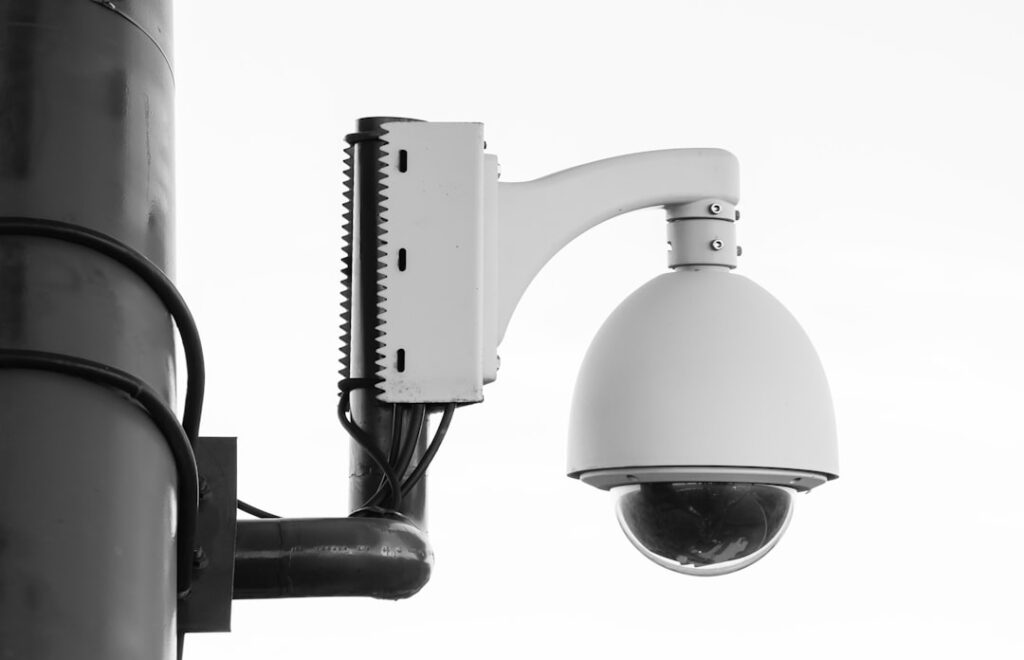
Spy cameras have become an integral part of contemporary security and surveillance strategies across various sectors. These discreet devices are used in both personal and professional settings to monitor activities without drawing attention. Their subtle design and technological capabilities allow them to be installed in locations where conventional cameras would be easily noticeable, making them ideal for covert operations.
The evolution of spy cameras has been significant over recent years. Early models were bulky and limited in functionality, often requiring substantial effort to conceal and operate. Today, technological advancements have given rise to compact, wireless, high-definition devices that can be hidden in everyday objects such as clocks, picture frames or even smoke detectors. These modern iterations offer features like remote access, motion detection, night vision and cloud storage, enhancing their utility and reliability.
One of the most common uses of spy cameras is in home security. Homeowners use them to keep an eye on their property, ensure the safety of children or elderly family members and to monitor domestic staff. The discreet nature of these devices ensures that surveillance does not disrupt the natural flow of daily life. In the event of suspicious activity, footage recorded through these hidden cameras can offer valuable evidence.
In the workplace, spy cameras are often employed to maintain accountability and ensure compliance with company policies. Employers may install them in offices, storage rooms or customer service areas to prevent theft, monitor employee performance, and ensure that health and safety standards are upheld. It is important, however, for organisations to comply with legal frameworks and transparency policies when using surveillance equipment to protect the rights and privacy of employees.
Retail environments also benefit from the use of concealed cameras. Shoplifting, employee theft and fraudulent claims can severely impact profits, and hidden surveillance can serve as both a deterrent and a means of collecting evidence. In many cases, covert cameras are strategically placed in locations where traditional CCTV systems cannot reach, offering a fuller picture of customer and staff behaviour.
The legal and ethical considerations surrounding spy camera usage cannot be overlooked. In the UK, the use of hidden cameras must align with laws such as the Data Protection Act and the Regulation of Investigatory Powers Act. Covert recording in private spaces without consent can lead to legal consequences. It is therefore essential for users to understand the boundaries of lawful surveillance and to avoid infringing on the privacy rights of others.
Beyond security, spy cameras have found applications in investigative journalism, wildlife observation and academic research. Journalists may use them to uncover unethical practices or corruption, while researchers might deploy them to study animal behaviour without human interference. These diverse applications demonstrate the versatility and far-reaching impact of such technology.
Purchasing the right spy camera depends on several factors including intended use, recording quality, battery life and connectivity options. For those new to the world of covert surveillance, it is advisable to seek guidance from sources that specialise in such equipment. A comprehensive overview of available models and features can be found at this detailed resource, which helps users make informed decisions based on their specific needs.
While the benefits of spy cameras are considerable, they must be balanced with responsible usage. The potential for misuse, such as unauthorised surveillance or invasion of privacy, raises concerns that must be addressed by both individuals and institutions. Ethical deployment, supported by a clear understanding of legal obligations, ensures that these tools serve their intended purposes without compromising trust or integrity.
As technology continues to advance, the capabilities of spy cameras are expected to grow, offering even greater detail, automation and integration with broader security systems. Whether for home protection, workplace monitoring or investigative purposes, these devices are set to remain a key component of modern surveillance practices.