
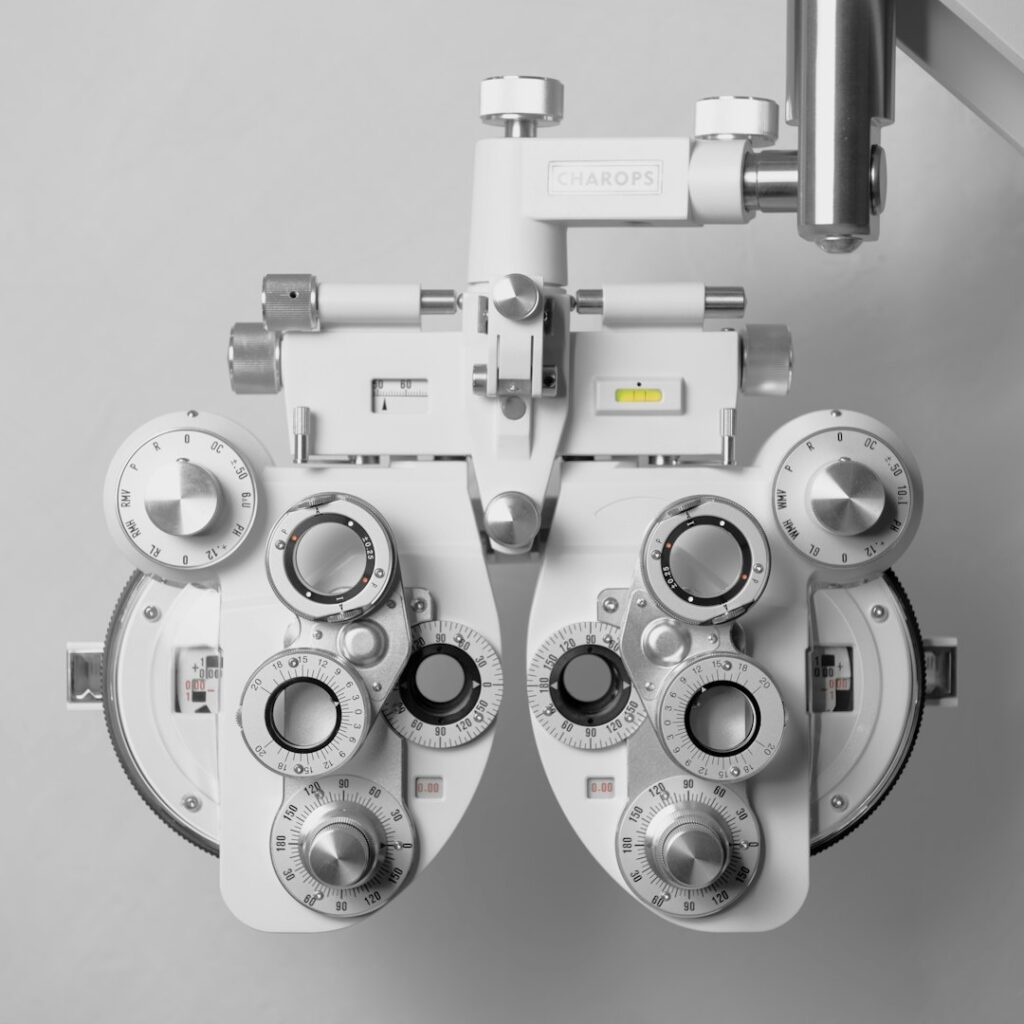

A thorough vision assessment is critical, especially for patients who have additional challenges like being non-verbal or having other medical conditions. The tests go beyond the standard eye chart. They examine eye coordination, depth perception, and even how well the eyes track moving objects. For example, children with TBI might have trouble interpreting visual cues, which an optometrist can detect using specialised tools. These evaluations often require patience and adaptation since some patients can’t easily communicate what they experience.
Low vision assessments are another essential service these optometrists provide. It’s not just about clarity but how vision impairments affect daily life. Adults recovering from TBI may struggle with contrast sensitivity, making it hard to distinguish objects in dim or changing light. An optometrist will assess these factors in real-world scenarios and suggest aids such as specific lighting adjustments or magnifiers to improve independence at home or work.
One practical tool sometimes introduced is the bioptic telescope. This device helps individuals with low vision see distant objects clearly without losing sight of their immediate surroundings. For a TBI patient, this can open up new possibilities, whether it’s recognizing faces across a room or safely crossing streets. Learning to use a bioptic telescope isn’t instantaneous; it involves training sessions where patients practice integrating this device into everyday activities.
Cerebral Visual Impairment (CVI) is often overlooked but common among those with brain injuries. Unlike issues arising from eye damage, CVI happens when the brain struggles to process images correctly. Children with CVI might ignore objects on one side or have difficulty recognizing familiar faces. An optometrist experienced in TBI cases will assess CVI by observing responses to different visual stimuli and suggest targeted exercises or environmental changes, such as reducing clutter or increasing contrast around the home.
Finding a skilled traumatic brain injury optometrist Brisbane is vital for ongoing care. These professionals don’t just conduct one-off assessments, they work alongside families over time, adjusting strategies as recovery progresses. They often review medical records and collaborate with neurologists or therapists to understand the full picture. Patients and caregivers should expect clear communication about what tests involve and realistic goals for improvement.
Education is a key part of managing vision after TBI. Families often report confusion about why certain symptoms occur or frustration when progress stalls. A good optometrist encourages questions and provides explanations that demystify visual impairments. They also recommend resources and support groups that focus on vision challenges after brain injury. For people seeking more information on these topics, visiting vision therapy and rehabilitation advice can offer helpful guidance and community connections.
Practical details matter in this field. For instance, many clinics keep detailed logs of each patient’s test results and notes on behavioural responses during exams to track subtle changes over time. It’s common for miscommunication to arise if families aren’t clear about appointment preparations, such as bringing previous eye reports or ensuring the patient has had adequate rest before testing. Patients often benefit from repeated visits rather than one-off exams because improvements or new issues may only become apparent weeks after initial assessments.
Ultimately, addressing vision problems after a TBI demands patience and specialised care tailored to each individual’s experience. Optometrists with relevant expertise provide more than prescriptions; they offer practical tools, training, and ongoing support that help patients regain confidence in their visual world.