
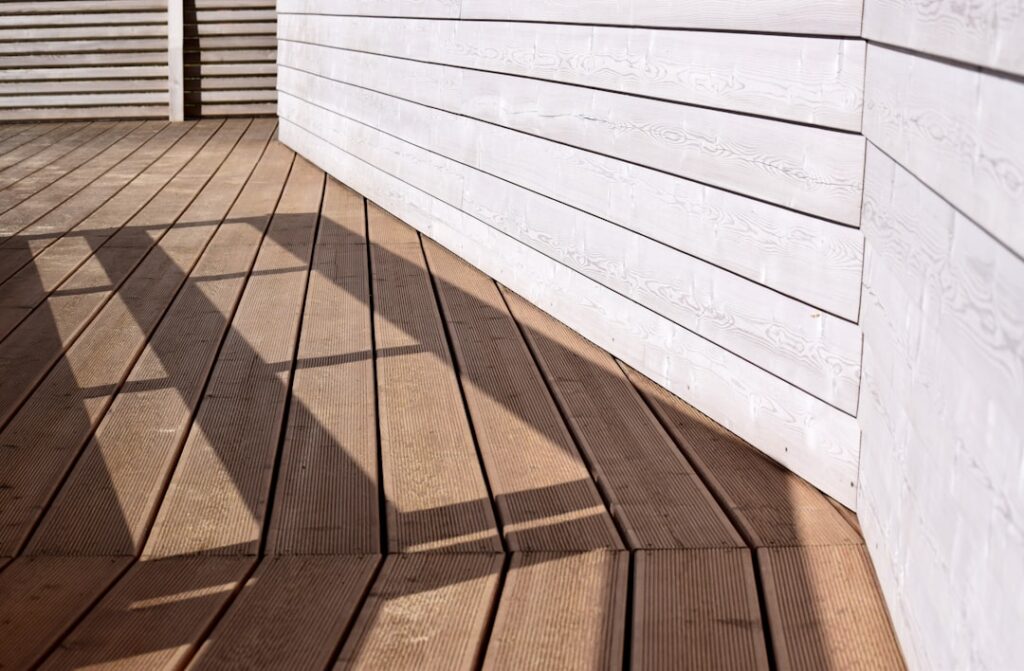

A deck waterproofing membrane acts as a barrier that stops water from seeping into the deck surface. These membranes come in several forms: liquid coatings, sheet membranes, and self-adhesive systems. Each type suits different conditions and deck designs. For example, liquid membranes are popular for patios with complex shapes because they can be brushed or sprayed on, covering every nook without gaps. This flexibility also helps avoid seams where leaks often start.
Sheet membranes offer strong protection and are typically used on larger commercial decks. They come in rolls and must be carefully installed to avoid wrinkles or trapped air pockets that could create weak points. Experienced installers often use rollers or hand pressure to ensure the sheets bond tightly to the surface. Poor installation is a frequent cause of early failure, so having someone skilled makes a difference.
The climate plays a big role in choosing the right membrane. In places with heavy rain or snow, a thicker membrane that resists cracking from freeze-thaw cycles is important. Some membranes also provide UV resistance to prevent damage from sun exposure. Checking local weather patterns before selecting a product can save headaches later.
Choosing who applies the membrane is another consideration. While DIY might seem tempting to cut costs, improper application often leads to leaks or short-lived protection. Professionals bring tools and knowledge that reduce errors, although it’s wise to verify their experience specifically with deck waterproofing. A quick look at past projects or customer feedback can reveal whether they handle these membranes correctly.
Maintenance extends the life of any waterproofing system. Routine inspections every few months help catch small issues before they worsen. Cleaning debris from the deck surface and ensuring drains are clear prevents water buildup that stresses the membrane. Also, avoid walking on the deck with sharp objects or dragging heavy furniture without protection, as physical damage can create weak spots.
If you want to explore options for safeguarding your outdoor surfaces, start by learning about different types of deck waterproofing membrane. Knowing which products fit your needs makes it easier to make informed decisions and plan your budget accordingly.
Investing in quality waterproofing protects your property and keeps outdoor areas usable throughout the year, enhancing customer experience in businesses like cafes or shops with patios. A well-maintained deck invites guests to stay longer and reflects positively on your image. Be sure to find practical waterproofing advice tailored to your specific environment and requirements.