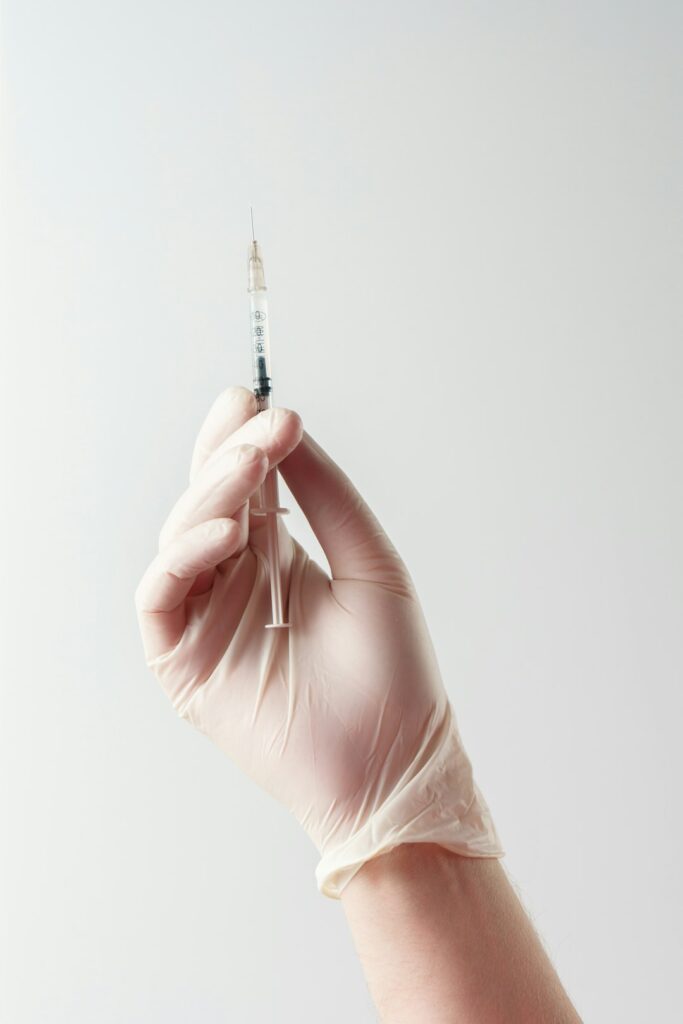

The procedure involves carefully placing thin needles into specific muscle areas identified as problematic. These trigger points are often responsible for pain that radiates beyond the immediate spot. For example, tightness in the gluteal muscles may contribute to ongoing lower back pain. The goal of dry needling is to release these muscular knots, which often produce a twitch response during treatment. This reflex indicates the muscle is responding and beginning to relax.
Before starting dry needling, the physiotherapist will conduct a detailed assessment to find the exact trigger points causing your symptoms. Once located, they insert needles that might cause a brief, sharp sensation but usually no more than mild discomfort. Sessions generally last around 30 minutes. Many patients note noticeable relief immediately after their first visit, though individual experiences vary.
Pain during dry needling is usually minimal. Some feel a quick sting or cramp when needles penetrate the muscle, but it rarely becomes painful enough to stop treatment. Communicating openly with your therapist is important; they can adjust needle placement or technique to keep discomfort manageable. Sensitivity depends on the area treated and personal tolerance levels.
How many sessions you’ll need depends on your condition’s nature and severity. Acute muscle tightness may improve after one or two treatments, while chronic problems could require several visits over weeks. Your physiotherapist will tailor a treatment plan, explaining what results to expect along the way. They also consider other factors like posture, movement habits, and muscle imbalances that may affect recovery.
It’s common to confuse dry needling with acupuncture since both use needles. However, acupuncture follows traditional Chinese medicine principles focused on energy flow, while dry needling targets muscles based on anatomy and physiology to relieve pain and improve function. They’re separate practices with different goals and methods.
Needle anxiety is understandable for some people considering this treatment. The needles used are very fine, thinner than those for injections, and designed to minimize discomfort. Many patients find them less intimidating than expected. If anxiety is an issue, discussing it beforehand with your physiotherapist helps. They can offer relaxation techniques or distractions during the session to ease nerves.
Ready to manage your muscle pain more effectively? You can dry needling falcon appointment today and explore how this focused approach can speed recovery and improve movement. Our physiotherapists emphasize practical assessments and clear communication to avoid misunderstandings about treatment goals and sensations.
For more detailed guidance on whether dry needling suits your needs, visit muscle pain treatment options. There you’ll find helpful information on managing different types of muscular discomfort and how targeted therapies fit into broader rehabilitation strategies.