
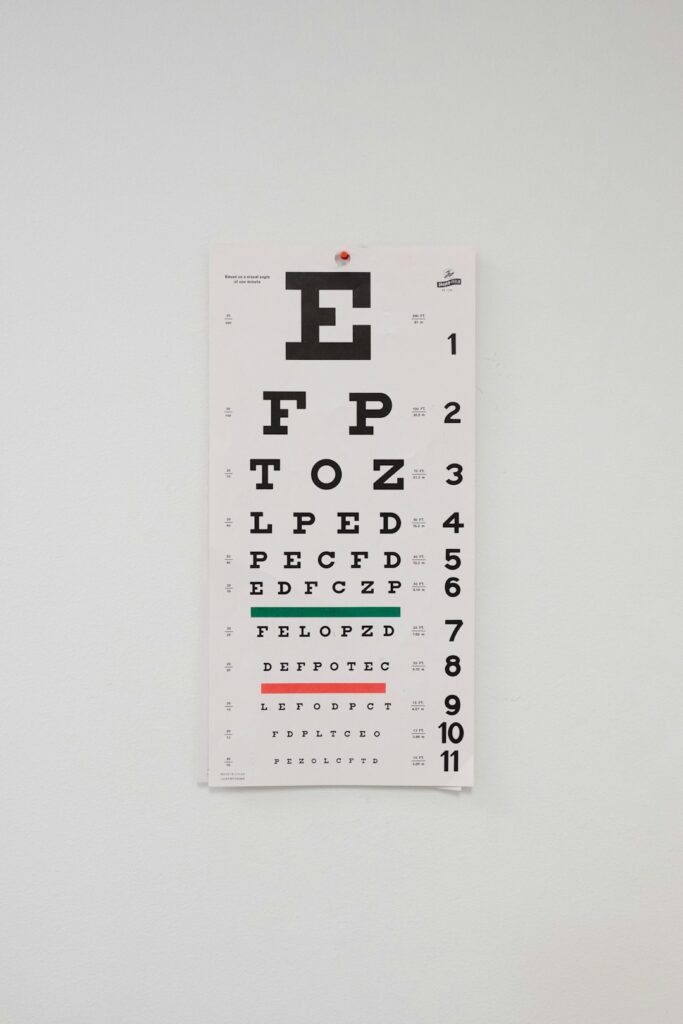

Assessing vision for individuals with additional needs involves more than measuring eyesight. It includes understanding visual processing and its impact on daily interaction. For example, children on the autism spectrum might respond differently to testing environments, requiring patience and adapted techniques like picture-based acuity tests or observing eye movement patterns. This personalised approach ensures that the assessment reflects true visual capability rather than testing limitations.
Low vision assessments focus on how a person uses their remaining sight to function independently. These evaluations consider lighting conditions, contrast sensitivity, and visual field restrictions. For older adults experiencing age-related vision decline, optometrists often recommend practical aids such as handheld magnifiers, adjustable lamps, or high-contrast reading materials. One common issue is patients not mentioning how lighting affects their reading until specifically asked, which can lead to better tailored advice.
Bioptic telescopes offer a practical option for people with limited distance vision. These devices integrate a small telescope into regular glasses, allowing users to see distant objects clearly while maintaining peripheral awareness. They can be particularly helpful for watching sports events or reading signs in public spaces. Patients often trial these devices in clinic settings to gauge comfort and usability before deciding if they fit their lifestyle.
Cerebral Visual Impairment (CVI) requires a different assessment approach since the issue lies in brain processing rather than the eyes themselves. Optometrists trained in CVI evaluate how visual perception influences mobility and learning capabilities. For instance, a child with CVI might struggle with recognizing faces or navigating crowded spaces. Detailed reports from these assessments often guide educators and therapists in creating supportive environments that reduce visual clutter and improve focus.
Optometrists offering NDIS services often provide ongoing advice and connect families with local community groups and government resources. A common hiccup is the confusion around NDIS funding categories and what specific aids qualify; experienced practitioners help clarify these details during consultations. For more information on available services, visiting NDIS Optometry brisbane is a recommended step.
Visual assessments tailored for special needs require patience and experience. Many clinics schedule longer appointments to accommodate breaks or behavioural support strategies, ensuring accurate results without overwhelming the patient. Families are encouraged to bring any previous reports or notes about the person’s vision and behaviour to help clinicians build a full picture.
For those looking to understand more about eye care options in Brisbane, vision care for special needs offers practical guidance and resources. These services help people find the right fit between their visual abilities and daily activities, promoting independence through customised solutions.