
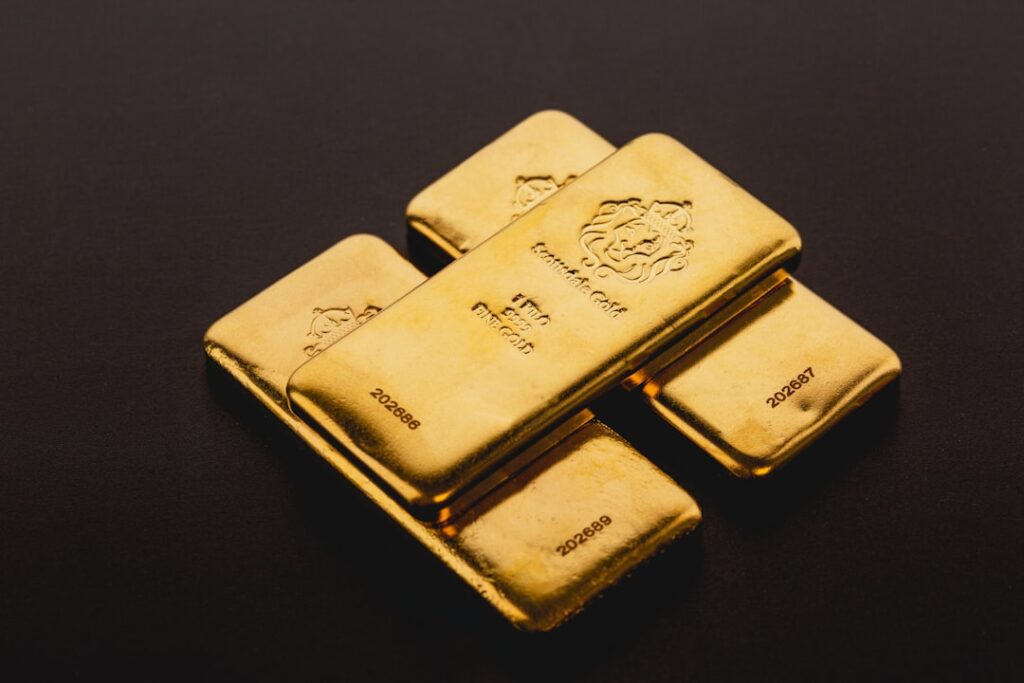
If you’re thinking about adding silver bullion bars to your investment mix, you’re entering a market valued for its tangible nature and historical reliability. Unlike stocks or bonds, silver bars offer a physical asset you can hold, which often feels more secure during volatile economic times. They’ve become a go-to for people wanting to hedge against inflation or sudden currency shifts. However, owning silver isn’t just about buying the metal; it requires knowing the details to avoid costly mistakes.
Silver bullion bars come in a variety of sizes, typically from one ounce up to 100 ounces. Smaller bars are easier to sell but usually carry a higher premium relative to their spot price. Larger bars often have lower premiums but might be harder to liquidate quickly. Most reputable bars are stamped with a purity of .999 fine silver, indicating 99.9% purity. This mark matters because lower purity bars can lose value and may not be accepted by dealers or refiners later on. Always check for certification from recognized mints or refineries to ensure authenticity.
Storage is an often overlooked but critical part of investing in silver bars. Leaving them loose in your home is risky, silver tarnishes and can be stolen without proper protection. Many investors use bank safe deposit boxes or rent secure vault space specifically designed for precious metals. At home, a heavy safe bolted to the floor and hidden in less obvious locations helps, but even then, insurance is advisable. Keep detailed records of your purchases and storage locations; this paperwork will prove vital if you ever need to claim insurance or sell your holdings.
For business owners like jewelers or small manufacturers, silver bullion bars serve dual purposes. Jewelers might keep bars on hand to craft custom pieces or sell investment-grade metals directly to customers. This approach helps them capitalize on fluctuating silver prices while offering something tangible beyond finished jewelry. Manufacturers may use bullion as raw material for products, benefiting from price stability over time compared to buying scrap silver intermittently. In both cases, precise inventory tracking prevents confusion or losses when prices change rapidly.
The silver market is influenced by several factors that investors should watch closely. Mining output affects supply, while industrial demand, especially from electronics and solar panel industries, can push prices up or down. Global economic uncertainty frequently drives demand higher as investors seek safer assets, but price swings can still be sharp. Staying updated through reliable commodity news sources and understanding seasonal trends can help you time purchases and sales better. Don’t rely solely on past price patterns; sometimes external events create unexpected moves.
Selling silver bullion bars isn’t as straightforward as walking into any dealer and accepting their offer. Prices vary between buyers based on current spot price, dealer inventory levels, and regional demand. It pays off to get quotes from several dealers before selling. Also, remember that capital gains rules apply in many countries when you sell precious metals for profit; keeping detailed purchase records simplifies tax reporting and helps avoid surprises during audits. Some investors consult tax professionals familiar with precious metals to ensure compliance.
For those ready to start investing in physical silver, plenty of online resources explain the basics and provide purchasing guides. Sites like silver bullion bars offer detailed information on types, pricing, and reputable sellers. It’s wise to cross-reference multiple sources and read user reviews before committing funds to any dealer or product. Practical habits like verifying serial numbers, checking assay certificates, and confirming delivery times reduce risks of fraud or delays.
Engaging with communities focused on precious metals can provide ongoing support. Forums and social media groups allow investors to share real-world experiences about storage challenges, trustworthy dealers, or timing market moves. Hearing how others handle issues like paperwork errors or shipment problems adds perspective beyond technical guides. Such interaction often reveals small but important details, like how certain dealers handle buybacks or the typical wait times for vault access, that aren’t obvious at first.
Investing in silver bullion bars combines tangible assets with market unpredictability. By understanding bar sizes, purity levels, storage needs, and sale logistics, you build a solid foundation for making informed decisions. Use resources like silver investment guidance online to deepen your knowledge while tapping into real investor feedback. The more practical insight you gather, the better your chances of managing risks and taking advantage of silver’s unique place in investment portfolios.