

Choosing bricks involves more than just looks. Facing bricks are popular for exteriors because of their wide range of colours and finishes. They’re designed to be seen and to complement different architectural styles. Engineering bricks serve a different purpose: they’re dense, strong, and resist moisture, making them a solid choice for foundations or damp areas like basements. Knowing when to use each type can save headaches during construction and improve the building’s lifespan.
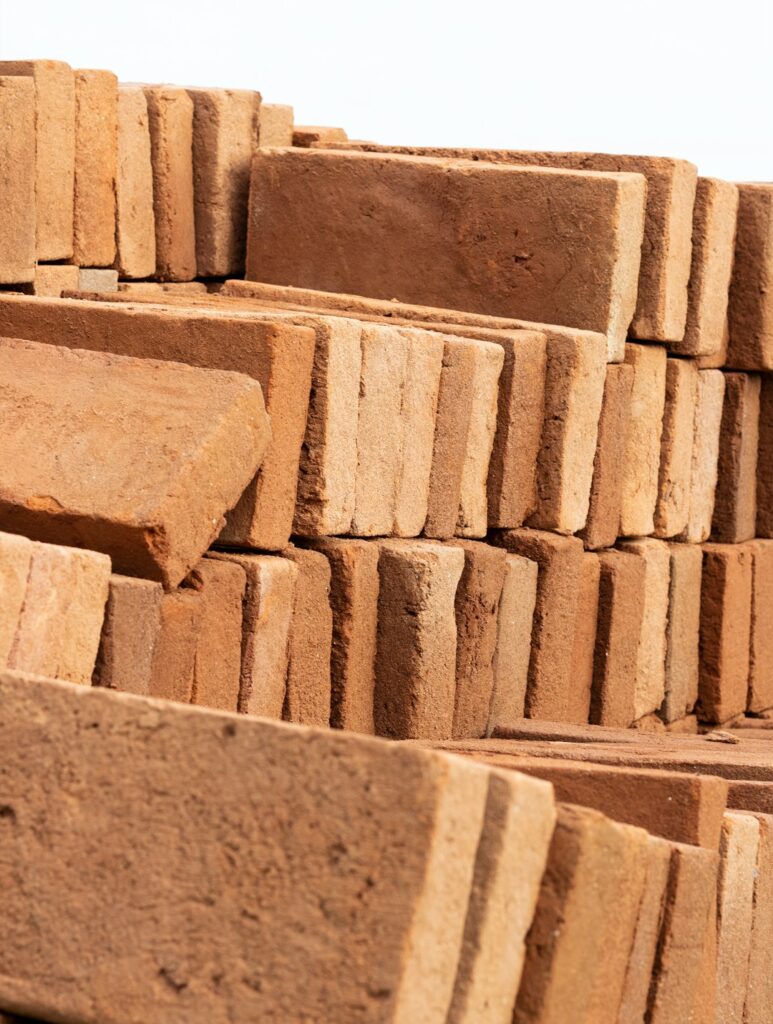
The true advantage of hand crafted bricks is in their irregularities. Slight differences in size, shade, and texture give walls depth and warmth. This effect is prized in residential projects where homeowners want something that feels bespoke rather than cookie-cutter. Custom builders often order bricks made in small batches, which can be matched to other materials on site. A common pitfall is rushing this process; it’s wise to review samples under natural light before finalising orders to avoid surprises after installation.
Commercial projects can benefit just as much from hand crafted bricks. Picture a small hotel or café with a brick facade that invites guests in with its charm and tactile appeal. The uneven surfaces catch light differently throughout the day, creating subtle visual interest that standard bricks lack. Businesses aiming to stand out on a busy street often use unique bricks as a branding element, tying the building’s look to their identity. It’s a practical way to add personality without resorting to gimmicks.
Sustainability is increasingly important in construction choices. Many hand crafted brickmakers source clay locally and use traditional kilns that consume less energy than large factories. This reduces transportation emissions and supports local economies, which matters to clients focused on their environmental impact. While not all artisanal brick suppliers follow these practices, it pays to ask about material origins and manufacturing methods early on. Projects documented in local council plans sometimes require proof of sustainable sourcing for approvals.
When it’s time to buy, working with a supplier who knows their products inside out makes a difference. They should offer physical samples and advice tailored to the project’s climate, soil conditions, and design goals. It’s common for builders to bring architects or clients to the supplier’s yard for a hands-on look at the bricks before ordering. This prevents costly mismatches and helps everyone agree on the final appearance. A detailed specification sheet listing colour codes, size tolerances, and firing methods is another practical tool that keeps things clear during construction.
Brickwork isn’t just about stacking blocks; it’s about crafting a surface that lasts and tells a story. Hand crafted bricks give buildings a distinctive edge that blends function with style. Whether it’s a family home or a boutique commercial space, investing time in selecting the right brick can turn an ordinary build into something memorable. For those interested in exploring the possibilities, visit hand crafted bricks for a selection of products suited to creative projects.
If you want to understand how these bricks perform in various environments or compare colours and finishes, check out brick options for architectural projects. It’s worth seeing how different bricks interact under changing light and weather before making your choice.