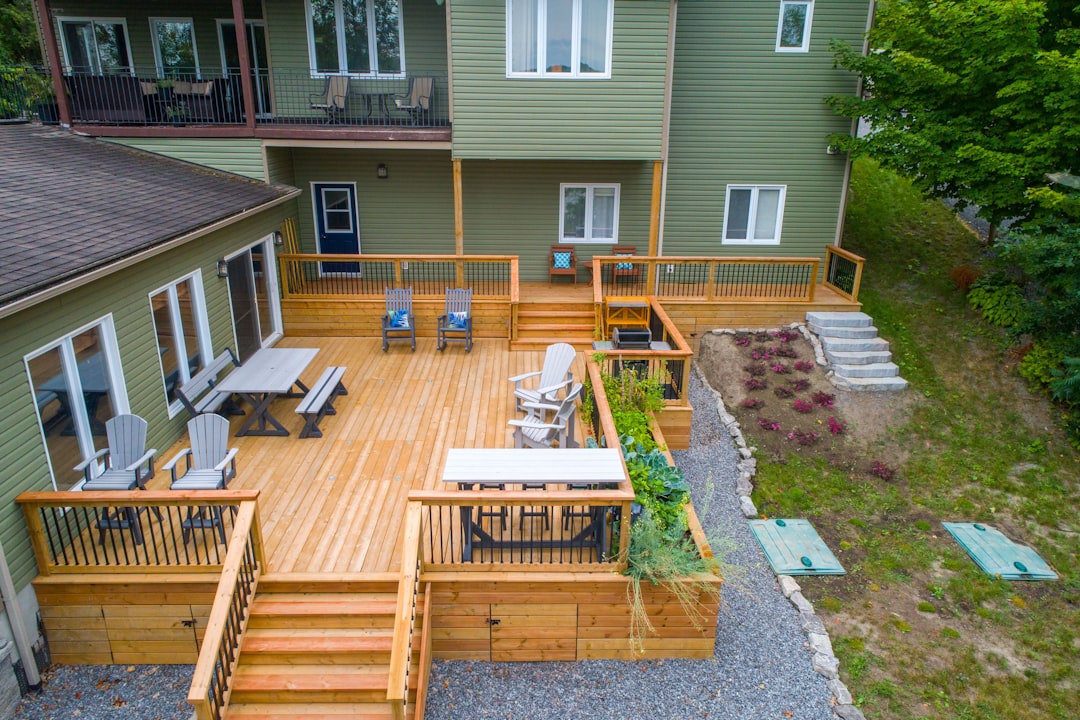

One of the most reliable methods is using a liquid rubber membrane. This product bonds tightly to wood, concrete, and other common deck surfaces, forming a continuous moisture barrier. Unlike traditional sealants, liquid rubber doesn’t crack or peel easily under changing weather conditions. It can handle standing water from heavy rain or melting snow without letting moisture penetrate beneath.
Planning coverage is key. These membranes come with specific guidelines , for example, one pint might cover around 20 square feet depending on the surface texture. Overestimating leads to wasted product; underestimating leaves gaps in protection. Measuring your deck accurately and consulting the product’s coverage instructions prevents running out mid-project or buying excess material.
Applying liquid rubber is straightforward enough for a committed homeowner. Start by thoroughly cleaning the deck, removing dirt, loose paint, and mildew with a stiff brush or power washer. Let everything dry completely before applying. Use a roller or brush to spread the membrane evenly in thin coats. Avoid thick layers that take longer to cure and might trap moisture underneath. Usually, two coats are recommended with drying time between them.
Durability varies across products. Some membranes stick well but become brittle in extreme cold or degrade with heavy foot traffic, leading to cracks over time. It helps to compare options based on flexibility, adhesion strength, and resistance to UV rays and temperature swings. Checking reviews or manufacturer data sheets can reveal which membrane fits your climate and usage needs best.
Many homeowners mix up waterproofing with simple water resistance. Waterproofing creates an impermeable layer that stops water entirely, while water-resistant coatings only slow water absorption. Skipping waterproofing might cause hidden damage that becomes visible only after boards warp or nails rust. Inspecting your deck annually for soft spots or discoloration is a practical habit that catches problems early.
These liquid membranes aren’t limited to decks. They also work well in basements to prevent seepage, on fountains to protect against constant water exposure, or even on flat roofs. If you’re unsure how much product to buy or how to prep surfaces for your project, detailed step-by-step guides are usually available online and can be a helpful resource.
If questions remain about which product suits your needs or how to apply it correctly, waterproofing advice for homeowners can provide useful insights. Staying updated with new materials and techniques ensures you don’t miss improvements that make future maintenance easier.
For practical waterproofing options, consider exploring deck waterproofing products designed to protect outdoor spaces effectively. Investing effort now in proper waterproofing helps avoid common problems like warped boards and persistent mold later on.