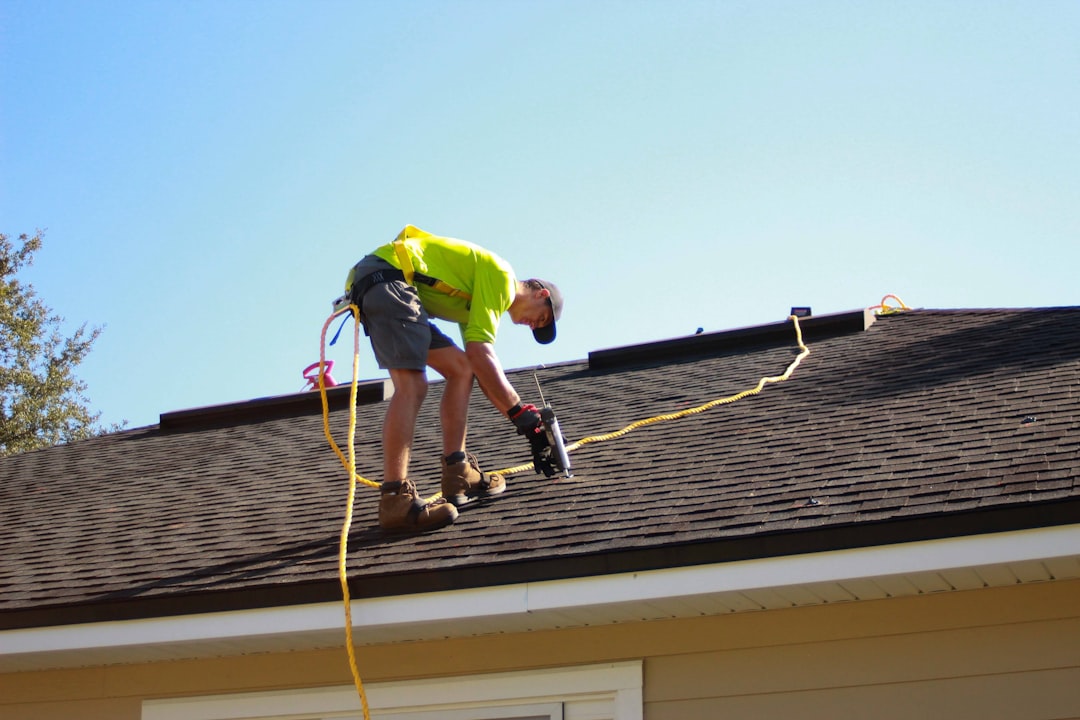

It’s common for property managers to miss early signs of roof deterioration. For instance, a retail store might see water stains on the ceiling only after a storm, signaling that the waterproofing layer has failed. Flat roofs need particular care since their design can trap water if drains clog or aren’t properly installed. Regular roof inspections, checking for cracks, blisters, or worn membranes, help catch issues before they become emergencies.
A popular waterproofing method is applying a liquid membrane. This forms a continuous layer over the roof to block water entry. These membranes adapt well to different roof materials and cure rapidly, meaning businesses don’t face long disruptions during installation. It’s important to ensure the surface is clean and dry before application; otherwise, adhesion problems can cause premature failure. Understanding this method helps owners decide if it fits their property’s needs.
Good drainage systems are vital for avoiding water buildup on roofs. Gutters and downspouts must be kept clear of leaves and debris to allow water to flow freely. Ponding water is a prime cause of leaks since it stresses roofing materials over time. Many building managers schedule gutter cleaning twice a year and inspect drains after storms to prevent blockages. Ignoring these steps often results in costly damage that could have been prevented with routine upkeep.
Some property owners choose roof coatings as an extra protective barrier. These coatings shield roofs from UV damage and harsh weather while reflecting sunlight to lower cooling costs. Selecting the right coating depends on factors like climate, roof material, and existing damage. A coating that works well in a humid environment might not be suitable for an area with extreme temperature swings. Consulting knowledgeable contractors before investing in coatings will avoid wasted expense.
For tailored advice, consider consulting professionals who focus on roof waterproofing. These experts assess your roof’s condition, recommend appropriate products, and ensure proper application techniques. They often examine flashings, seams, and penetrations where leaks commonly start. Such thorough evaluations prevent surprises after installation and help extend your roof’s lifespan.
Proactive maintenance extends beyond fixing visible leaks. Keeping detailed records of inspections, repairs, and weather events helps track the roof’s history and spot patterns of wear. A common misstep is delaying small repairs until they worsen, which usually costs more in the end. Business owners who schedule annual professional assessments alongside quarterly visual checks tend to avoid major failures.
Understanding roof waterproofing empowers owners to protect their investments effectively. Being aware of warning signs like stains, cracks, and clogged drains lets you act before damage spreads. Engaging with specialists ensures your roofing system matches your building’s demands and environmental conditions. For more information on practical roofing strategies, visit commercial roofing maintenance tips.