
There are several types of coatings to consider. Liquid rubber is popular for its waterproofing qualities, but it demands thorough cleaning and primer application before use. Acrylic coatings dry quickly and are cost-effective, though they may break down faster under constant UV exposure. Silicone coatings stick easily and resist ponding water better but might struggle to bond well if the surface isn’t perfectly clean or if applied in humid conditions.
Longevity varies among these options. Some coatings stay effective for up to a decade with occasional touch-ups, while others need reapplying every two or three years. For someone managing a fleet, choosing a longer-lasting product might justify the higher initial price by reducing labor and downtime over time.
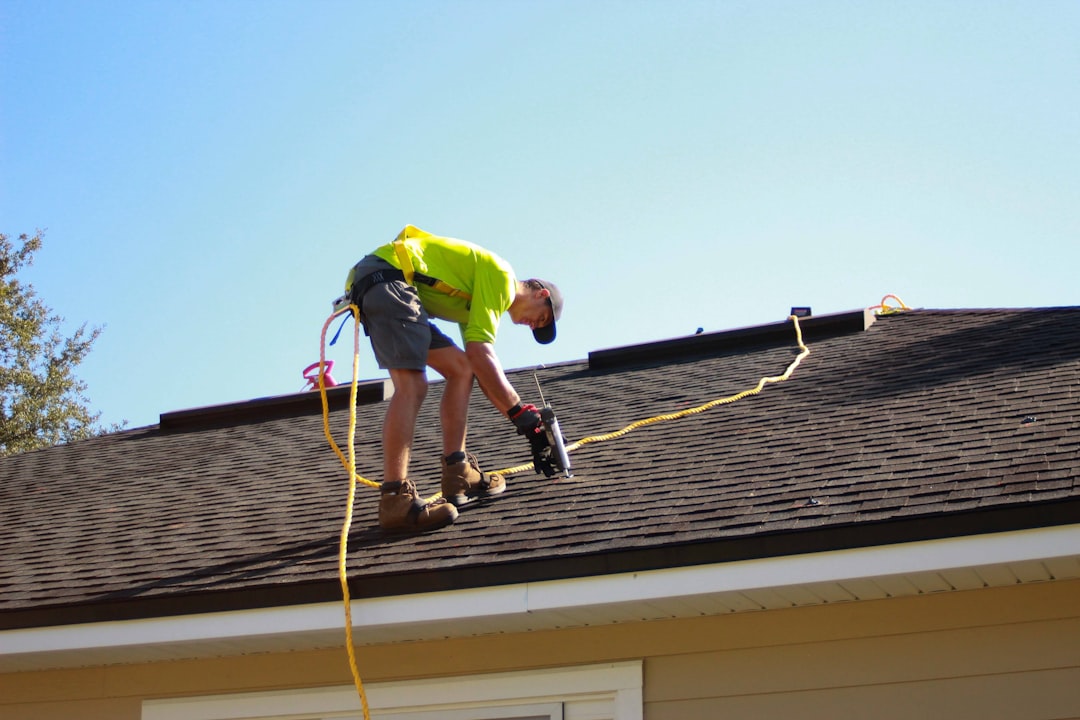
How you apply the coating matters. Liquid coatings usually require spraying for an even layer, which means having the right equipment and some experience. Other types can be brushed or rolled on, which might be easier for a DIY job but risks uneven coverage. Making sure the entire roof surface is covered without missing spots is key to avoiding future leaks. If you’re new to this, check out rv roof coating methods that fit your tools and skills.
Temperature during application affects adhesion and curing. Most coatings perform best between 50 and 85 degrees Fahrenheit. Applying them in extreme heat can cause bubbles or uneven drying, while cold weather slows curing and reduces bond strength. Planning your roofing work around moderate weather reduces the chance of these problems.
After coating, routine upkeep keeps problems from sneaking up. Dirt and debris can degrade the surface or hide cracks that need fixing. Regular inspections every six months help spot early wear and prevent costly repairs later. For fleet operators, keeping a maintenance log for each vehicle ensures no roof gets overlooked.
Environmental impact is worth considering too. Some coatings contain fewer volatile organic compounds (VOCs) and are less harmful to ecosystems. This might align better with your company’s environmental policies or appeal to eco-conscious customers. Opting for greener products doesn’t have to mean sacrificing protection.
In practice, many RV owners underestimate surface prep, which leads to poor adhesion and peeling layers within months. Taking time to clean, dry, and prime the roof properly pays off in durability. Also, avoid rushing application in windy or dusty conditions as particles can embed in the coating and cause weak spots.
Choosing the right roof coating involves weighing durability, ease of application, maintenance needs, and environmental factors. Getting these details right means fewer headaches down the road and a safer, more reliable RV roof. For practical advice on effective protective coatings, you can review eco-friendly roofing options.